
- Home
- South Holland
High-Paying Truck Driver Job Opportunities in South Holland
High-paying truck driver job opportunities in South Holland (Zuid-Holland) are growing because of the province's position as home to Europe's largest seaport — the Port of Rotterdam — which handles approximately 14.5 million TEU annually and serves as the primary maritime gateway for 500 million European consumers. South Holland is the Netherlands' most freight-intensive province by inland waterway volume, handling 160.5 million tonnes in 2024 — representing 17.3% of the entire EU inland waterway freight total. The province stretches from the container terminals of Maasvlakte on the North Sea coast through the chemical and refinery clusters of Botlek, Europoort, and Pernis to the hinterland distribution zones around Dordrecht, Delft, and Leiden, with The Hague — the Netherlands' seat of government and third-largest city — adding government logistics, diplomatic supply chains, and a major metropolitan distribution demand base.
A truck driver job in South Holland typically requires a valid Category C or CE licence depending on the vehicle and trailer combination, professional driver qualification compliance including Code 95 / CPC (Certificate of Professional Competence) where applicable, and adherence to tachograph, driving-time, and road safety rules. In the Netherlands, the Dutch national transport authority oversees official driver qualification procedures and authorised Code 95 training pathways for professional drivers.
With nearly 47% of Dutch transport firms citing labour scarcity as their top operational constraint in January 2025, and 40% of domestic drivers already over 50 years old, employers in South Holland continue to seek reliable truck drivers for port hinterland distribution, ADR chemical and fuel tanker operations, container drayage from the Maasvlakte terminals, bulk cargo transport, cross-regional routes to Germany and Belgium, and metropolitan distribution serving Rotterdam, The Hague, and the wider South Holland urban corridor.
Understanding the Truck Driver Shortage in South Holland
South Holland's transport demand is defined above all by the Port of Rotterdam's scale and operational intensity. The port's five distinct zones — Maasvlakte, Europoort, Botlek, Pernis, and the city harbour areas — each generate specific truck freight categories. Maasvlakte's container terminals (APM Terminals Maasvlakte II, Rotterdam World Gateway, ECT Delta Terminal) feed a constant hinterland drayage requirement for CE drivers moving containers from quayside to inland depots and distribution centres across the Netherlands and beyond. Botlek and Pernis are home to the Rotterdam-Moerdijk chemical cluster — one of Europe's largest — comprising more than 120 industrial companies including Shell, Vopak (operating multiple terminals across the port area), Nouryon, and major chemical producers. This cluster generates Europe's most concentrated ADR tanker driver demand, requiring specialist CE drivers for fuel, chemical, and liquid bulk distribution from terminal to industrial user across the Netherlands and into Germany via the A15 corridor and the Betuweroute rail-linked hinterland.
Beyond the port, South Holland's greenhouse horticulture sector — centred on Westland, one of the world's most productive glasshouse areas — creates consistent refrigerated and fresh produce freight demand. Dordrecht, positioned at the junction of major river routes where the Rhine, Maas, and Waal converge, is a key inland logistics hub for bulk freight and general cargo connecting the port with Belgian and German hinterland routes. Rotterdam's CBD and metropolitan area serve the Netherlands' second-largest urban population cluster, generating FMCG, retail, construction, and last-mile distribution demand throughout the province.
The shortage is most visible in ADR-certified tanker and chemical freight roles in the Botlek, Pernis, and Europoort industrial zones, container drayage from Maasvlakte terminals, hinterland CE distribution toward Germany and Belgium, refrigerated fresh produce and horticulture freight, and metropolitan distribution in and around Rotterdam and The Hague.
In-Demand Truck Driver Roles in South Holland (Projected Shortage by 2030)
| In-Demand Driver Roles | Transport & Logistics Sector | Projected Shortage |
|---|---|---|
| ADR / Chemical & Fuel Tanker Drivers | Botlek, Pernis, Europoort Chemical & Refinery Cluster Freight | Specialist high shortage pressure |
| Container Drayage CE Drivers | Maasvlakte Terminal Hinterland Distribution (APM, RWG, ECT) | High shortage pressure |
| Long-Haul CE Drivers | Rotterdam–Germany / Rotterdam–Belgium Hinterland & Cross-Border Routes | High shortage pressure |
| Heavy Truck Drivers (C/CE Licence) | Regional Distribution & Metropolitan Freight across Zuid-Holland | High shortage pressure |
| Refrigerated & Fresh Produce Drivers | Westland Greenhouse Horticulture & Perishable Supply Chains | Moderate to high shortage pressure |
| Bulk & Construction Freight Drivers | Dordrecht River Hub, Sand, Gravel & Construction Materials Logistics | Moderate shortage pressure |
These demand levels reflect the Netherlands' continuing national driver shortage, persistent vacancies for vrachtwagenchauffeur and CE rijbewijs roles across South Holland, and the strong employer preference for drivers who already meet Dutch compliance standards — particularly ADR certification for the Rotterdam port chemical cluster and container drayage experience for the Maasvlakte hinterland operations.
Key Reasons for High Demand for Truck Drivers in South Holland
The Port of Rotterdam is Europe's largest seaport and one of the world's top ten container ports, handling approximately 14.5 million TEU annually. Its container terminals — APM Terminals Maasvlakte II, Rotterdam World Gateway, and ECT Delta Terminal — all require daily container drayage CE drivers to move boxes from quayside to inland depots across the Netherlands and into Germany and Belgium, generating one of the Netherlands' most consistent and high-volume hinterland CE driver demand bases.
The Rotterdam-Moerdijk chemical cluster — comprising Botlek, Pernis, Europoort, and Dordrecht — is one of Europe's largest concentrations of chemical and refining industry, with more than 120 industrial companies including Shell, Vopak, Nouryon, Nobian, Huntsman, and LyondellBasell operating in the zone. This cluster generates the Netherlands' most demanding ADR tanker driver requirement, covering crude oil, petroleum products (gasoline, diesel, kerosene, naphtha), bulk liquid chemicals, edible oils, and specialist regulated freight. Rotterdam salaries in logistics run 5–10% above the national average, reflecting this specialised demand pressure.
South Holland handled 160.5 million tonnes of inland waterway freight in 2024, representing 17.3% of the entire EU inland waterway total — the highest IWW freight intensity of any NUTS 2 region in the EU. While inland waterways carry substantial volumes, road transport remains essential for last-mile and time-sensitive delivery, and the province's exceptional freight density across all modes amplifies truck driver demand across every freight category.
Westland, in the Westland municipality of South Holland, is one of the world's most productive greenhouse horticulture areas, producing vegetables, fruits, and plants for export across Europe. The fresh produce supply chain requires refrigerated CE drivers who can operate reliably on tight perishable delivery windows across Dutch and European routes.
Dordrecht's position at the confluence of the Rhine, Maas, and Waal rivers makes it one of the Netherlands' most strategically important inland logistics junctions, generating bulk freight, construction materials, and general cargo transport demand connecting Rotterdam's port with Belgian and German hinterland routes via the A16 and A15 motorways.
The Dutch road freight market reached USD 23.80 billion in 2025 and is forecast to grow to USD 29.06 billion by 2030. South Holland, as the country's most freight-intensive province, drives a disproportionate share of this demand — especially for the ADR, container drayage, and chemical tanker specialisations that are hardest to fill nationally.
Areas in South Holland with Strong Truck Driver Demand
| Area / City | Main Logistics Activity | Average Annual Gross Salary (EUR) |
|---|---|---|
| Rotterdam Port (Botlek / Pernis / Europoort) | ADR Chemical & Fuel Tanker Operations, Refinery Distribution & Bulk Liquid Freight | EUR 40,000 – EUR 56,000 |
| Maasvlakte (Container Terminals) | Container Drayage, Port Hinterland CE Distribution & Intermodal Freight | EUR 39,000 – EUR 54,000 |
| Rotterdam Metropolitan Area | FMCG, Retail, Construction & Metropolitan Distribution Routes | EUR 37,000 – EUR 52,000 |
| Dordrecht / Ridderkerk | River Hub Bulk Freight, Industrial Distribution & Cross-Border Belgium / Germany Routes | EUR 37,000 – EUR 51,000 |
| The Hague / Westland / Delft | Government Logistics, Fresh Produce Horticulture & Regional Distribution | EUR 36,000 – EUR 50,000 |
Actual salary depends on ADR certification level, cargo specialisation, route type, overnight work, and shift patterns. ADR-certified tanker drivers in the Botlek-Pernis chemical cluster attract the highest packages in the province — and among the highest in the entire Netherlands — reflecting the specialist nature of the work and the chronic shortage of qualified applicants. Dutch transport collective agreement (cao Transport) sets sector minimum standards; specialist roles consistently exceed these.
How to Get a Truck Driver Job in South Holland Netherlands (Step-by-Step)
- Obtain a valid Category C or CE licence depending on the job and trailer combination.
- Confirm Code 95 / CPC professional driver qualification status where applicable.
- Obtain ADR certification — ideally covering tank transport (ADR tank) — if targeting chemical, fuel, or liquid bulk roles in Botlek, Pernis, or Europoort.
- Hold a valid driver card for tachograph-regulated operations.
- Prepare a professional Dutch-standard truck driver CV in English or Dutch.
- Apply to verified transport, logistics, chemical, container, horticulture, and distribution employers across South Holland.
- Secure a written employment contract with clear salary, allowances, schedule, and terms under Dutch labour law.
- Complete Dutch residence and work authorisation procedures before starting employment if you are a third-country national.
Benefits of Working as a Truck Driver in South Holland Netherlands
- Access to Europe's most concentrated port freight market, with the highest ADR tanker driver salaries in the Netherlands and some of the highest in Europe.
- Diverse freight roles spanning container drayage, chemical tankers, fresh produce, FMCG, construction, and cross-border hinterland freight.
- Stable demand for licensed and compliant CE drivers confirmed by persistent vacancy data and an aging Dutch driver workforce.
- Dutch transport collective agreement (cao Transport) setting clear salary floors, ADR supplements, allowances, and working condition protections.
- Long-term job stability in a province where freight demand is structurally linked to the global supply chains flowing through Europe's most important port.
Conclusion
South Holland offers the Netherlands' most commercially significant and best-compensated truck driver career opportunities, particularly for drivers with ADR certification, container drayage experience, or international hinterland route competence. The Port of Rotterdam's scale, the Botlek-Pernis chemical cluster's specialist tanker demand, Maasvlakte's container hinterland volumes, Westland's fresh produce freight, and the province's exceptional cross-border position between Germany and Belgium create a uniquely diverse and consistently active CE driver job market.
Qualified applicants with the right licence category, valid Code 95 / CPC status, ADR tank certification where required, and strong professional conduct can build some of the most rewarding and stable truck driving careers in the Netherlands in South Holland's established port and distribution logistics ecosystem.
Truck Driver Jobs in South Holland Netherlands: CE Licence & Code 95 Complete Guide
Truck driver jobs in South Holland remain the Netherlands' most persistently in-demand CE roles because of the Port of Rotterdam's hinterland freight volumes, the Botlek-Pernis chemical cluster's ADR tanker requirement, Maasvlakte's container drayage operations, and employer demand for drivers who can work safely under Dutch and EU regulated transport rules. For drivers searching for vrachtwagenchauffeur CE Rotterdam, ADR chauffeur Botlek, container drayage driver Maasvlakte, or truck driving jobs Netherlands South Holland, employers typically prioritise candidates who already hold the correct licence category, current Code 95 / CPC qualification, valid ADR certification where required, and demonstrated tachograph compliance.
To work legally as a heavy truck driver in South Holland, you typically need:
- Category C or CE Licence depending on vehicle and trailer combination
- Code 95 / CPC professional driver qualification where applicable for commercial goods transport
- Driver card for tachograph-regulated operations
- ADR certification — ideally including tank transport endorsement — for chemical, fuel, and liquid bulk roles in the port industrial zones
This guide explains how these requirements work in the Netherlands and how to secure compliant truck driving jobs in South Holland.
What Is a CE Licence (Category C+E) in South Holland Netherlands?
A CE licence — known in Dutch as rijbewijs CE — allows you to drive heavy goods vehicles with trailers above the standard trailer threshold. It is commonly required for articulated trucks on container drayage routes from Maasvlakte terminals, chemical and fuel tanker operations from Botlek and Pernis, long-haul hinterland freight from Rotterdam toward Germany and Belgium, refrigerated fresh produce transport from Westland, FMCG and retail distribution across the South Holland province, and bulk freight from Dordrecht's inland river hub.
Employers in South Holland typically expect practical ability in coupling and uncoupling, reversing into port terminal and industrial zone loading bays, route planning within Rotterdam's complex port road network, load securing and lashing compliance, and vehicle pre-trip inspection competency. For ADR tanker roles, tank operation procedures, emergency response awareness, and correct use of ADR documentation and placarding are essential daily skills.
What Is Code 95 and Why It Is Important for Truck Drivers in South Holland Netherlands?
Code 95 — the Dutch notation for the Certificate of Professional Competence (CPC) — is the professional driver qualification required for commercial goods transport in the Netherlands and across the EU where the rules apply. It appears as a 95 code on the relevant driving licence category for EU/EEA licence holders, confirming that the driver has completed the required training standard for paid commercial driving.
In South Holland's port logistics environment, Code 95 compliance is treated as a non-negotiable baseline by major operators. Port terminal and chemical cluster employers run strict compliance checks at onboarding and cannot deploy drivers without confirmed Code 95 status. ADR certification is required additionally for chemical and tanker roles — Code 95 alone does not cover ADR authorisation.
CE Licence vs Code 95 in South Holland Netherlands: Key Differences Explained
| CE Licence | Code 95 / CPC |
|---|---|
| Driving category permission | Professional commercial driving qualification |
| Defines which heavy vehicle combinations you may drive | Defines whether you meet professional driving qualification rules where applicable |
| Obtained through licence training and exams | Obtained and maintained through qualification and periodic training rules |
| Required for articulated truck and trailer operation | Required for paid commercial goods transport in many regulated cases |
In real hiring conditions, employers in South Holland's port and industrial zones expect a valid CE licence, current Code 95, and — for chemical and fuel tanker roles in Botlek, Pernis, and Europoort — valid ADR certification covering tank transport. All three are required simultaneously for the most in-demand specialist roles.
Who Needs a CE Licence and Code 95 to Work in South Holland Netherlands?
You typically need both if you:
- Drive heavy goods vehicles over 3.5 tonnes for commercial work
- Operate tractor-trailer or articulated combinations including tankers and container chassis
- Work on port hinterland, chemical distribution, cross-border, or long-haul freight routes
- Drive under tachograph and regulated rest-time rules
Exact legal application depends on your licence issue date, nationality, vehicle type, and the nature of the job. Always confirm your case before accepting work.
Minimum Requirements to Become a Truck Driver in South Holland Netherlands
- Valid Category C or CE licence
- Valid Code 95 / CPC professional driver qualification where applicable
- Driver card for regulated vehicles and routes
- ADR certification — including ADR tank endorsement — for chemical, fuel, and liquid bulk freight roles
- Clean driving record and professional conduct
- Medical fitness where required for heavy vehicle operation
- Written job offer or signed contract for legal employment
Dutch language ability is highly valued across South Holland — port loading instructions, safety briefings, chemical handling documentation, and employer communication are primarily in Dutch. For multinational port operators and 3PL firms operating in the Rotterdam port area, English is also widely used. German language skills are a practical advantage for cross-border hinterland routes from Rotterdam toward Germany via the A15 and Betuweroute corridor.
Step 1: Check CE Licence Eligibility for Truck Driver Jobs in South Holland Netherlands
First confirm your licence category, validity dates, and whether your licence was issued in the Netherlands, another EU/EEA country, or outside the EU/EEA. Your route to legal employment may differ depending on this status.
- Check C/CE validity and expiry
- Confirm whether your licence is Dutch, EU/EEA, or third-country issued
- Check whether the role is ADR tanker, container drayage, hinterland long-haul, or metropolitan distribution
- Verify ADR certification status — tank endorsement specifically for Botlek and Pernis roles
Step 2: Convert or Validate a Foreign CE Licence in South Holland Netherlands
If your licence is issued outside the Netherlands, you may need recognition, exchange, or validation steps before legal employment. The Netherlands follows EU rules for EU/EEA licence holders but applies separate procedures for third-country licences, which typically require conversion through the Dutch RDW (Rijksdienst voor het Wegverkeer).
- Official translations may be required
- Licence authenticity checks may be required
- Medical or administrative procedures may apply
- Third-country licences typically require conversion rather than direct recognition
Never assume automatic acceptance of a non-Dutch, non-EU licence for commercial truck work in the Netherlands, especially for port zone operations where compliance checks are strict.
Step 3: How to Obtain or Renew Code 95 in South Holland Netherlands
The Netherlands operates a network of authorised Code 95 / CPC training centres, with multiple centres accessible in and around Rotterdam and the wider South Holland province. Official information on professional driver qualification, approved training centres, and exam pathways is available through the Dutch national transport authority (RDW) and the KIWA examination institute. Drivers should complete required training early and keep qualification evidence current. Periodic training must be completed every five years to maintain Code 95 validity. For ADR roles, ADR certification training and renewal is a separate process with its own renewal schedule.
Step 4: Find a Licensed Truck Driving Employer in South Holland Netherlands
Employers commonly recruit for:
- ADR chemical and fuel tanker operations from Botlek, Pernis, and Europoort terminals (Shell, Vopak, Nouryon, and 3PL chemical logistics operators)
- Container drayage from APM Terminals Maasvlakte II, Rotterdam World Gateway, and ECT Delta Terminal
- Long-haul hinterland CE routes from Rotterdam toward Germany and Belgium via the A15, A16, and Betuweroute-linked depots
- Refrigerated fresh produce and horticulture freight from the Westland greenhouse area
- FMCG, retail, and metropolitan distribution across Rotterdam, The Hague, and the South Holland urban corridor
- Bulk freight and river hub logistics from Dordrecht
- Construction supply, mixed freight, and regional distribution across the province
Choose employers that provide clear contracts, Dutch cao-compliant pay with ADR supplements where applicable, realistic route planning, and legal payroll practices. Port zone employers must be registered with the Dutch Chamber of Commerce (KvK) and comply with port authority access and safety rules.
Step 5: Employer Confirms Salary and Employment Classification
Before signing a contract, request written clarity on:
- Gross base salary and Dutch cao Transport compliance
- ADR supplement for tanker and chemical freight roles
- Pay frequency, overtime rules, and port shift allowances
- Night work, weekend work, and shift allowance structure
- Holiday entitlement and pension contributions where applicable
Step 6: Work & Residence Pathway for Foreign Truck Drivers (South Holland / Netherlands)
Foreign nationals working in South Holland follow Dutch national immigration and employment law. EU and EEA citizens and Swiss nationals have the same right to work in the Netherlands as Dutch nationals and do not need a work permit or residence permit for employment. Third-country nationals who wish to work in the Netherlands for more than 90 days need a Single Permit (GVVA — Gecombineerde Vergunning voor Verblijf en Arbeid), which combines the residence permit and the work permit (TWV) into one application submitted to the Immigration and Naturalisation Service (IND). The IND consults the Employee Insurance Agency (UWV) on the labour market aspect, and UWV assesses whether the employer has made sufficient efforts to recruit within the EU first. For stays under 90 days, the employer applies separately for a TWV (Tewerkstellingsvergunning) at UWV. Processing time for a GVVA is up to 90 days for recognised sponsors and up to 24 weeks otherwise.
Step 7: Apply for Entry Authorisation (If Required) to Enter the Netherlands
If your nationality is visa-required, you will need an MVV (Machtiging tot Voorlopig Verblijf — provisional residence permit) obtained at a Dutch diplomatic mission in your home country before travelling to the Netherlands to collect your GVVA. Always complete the correct entry step before beginning work.
Step 8: Travel to South Holland and Complete Local Registration
After legal entry into the Netherlands, register your address with the local municipality (gemeente) in the BRP (Basisregistratie Personen) before beginning work. Your employer or legal advisor should guide you through the correct sequence, including health insurance registration and the receipt of your BSN (burgerservicenummer — citizen service number), which is required for payroll and tax purposes in the Netherlands.
Step 9: Truck Driver Salary in South Holland Netherlands, Working Hours, and Routes
Truck driver salary in South Holland is among the highest in the Netherlands, reflecting the specialist nature of the port's ADR, container drayage, and chemical freight roles. Gross annual salaries typically range from approximately EUR 36,000 to EUR 56,000, with ADR-certified tanker drivers in the Botlek-Pernis chemical cluster consistently at the top of the scale. Rotterdam logistics salaries run 5–10% above the national average. The standard working week in the Netherlands is 40 hours, with EU transport-specific driving-time rules applying to all tachograph-regulated operations. Night shifts, port weekend operations, and ADR supplements are governed by the Dutch transport cao and port employer agreements.
Step 10: Renewal and Long-Term Stability
Maintain your CE licence validity, Code 95 / CPC status where required, ADR certification where applicable, driver card, and legal residence status. Drivers who keep all documents current, build familiarity with Rotterdam's port zone road network and terminal gate procedures, and maintain a strong ADR compliance record typically build the most stable and rewarding long-term careers in South Holland's port logistics environment.
Common Mistakes Truck Drivers Make in South Holland Netherlands (CE Licence & Code 95)
- Starting work before Dutch legal authorisation is confirmed
- Assuming a non-EU licence is automatically valid for commercial truck driving in the Netherlands
- Attempting chemical or fuel tanker work in Botlek or Pernis without full ADR tank certification
- Ignoring Code 95 / CPC renewal deadlines — port operators run strict compliance checks and cannot deploy expired-qualification drivers
- Failing to register in the BRP and obtain a BSN before starting work
- Signing contracts without checking the Dutch cao Transport ADR supplement and port shift allowance structure
CE Licence and Code 95 Validity, Renewal, and Expiry Rules in South Holland Netherlands
- Professional driver qualification status must remain valid for commercial work where the law applies.
- The Netherlands operates authorised Code 95 training centres providing qualification exams and periodic training, with centres accessible in and around Rotterdam.
- For EU/EEA citizens, Code 95 is shown as a 95 code on the relevant licence class.
- Periodic training must be completed every five years to maintain Code 95 / CPC validity.
- ADR certification must be renewed on its own schedule — typically every five years — and is a separate requirement from Code 95.
- Late renewal of any document interrupts legal route assignment in South Holland's compliance-strict port logistics environment.
Why Apply for a Netherlands Work Permit for South Holland? Key Benefits for Foreign Workers
Applying for the correct Dutch work and residence pathway is essential for foreign truck drivers who want to live and work legally in South Holland. Legal employment under Dutch law provides access to cao-compliant wages including ADR supplements, full Dutch social protection, health insurance, pension contributions where applicable, documented working conditions, and long-term residence rights where eligibility is met. South Holland's high driver salaries — among the best in the Netherlands — make legal employment through the correct GVVA or TWV pathway a particularly important step for maximising earnings and protection.
What Is a Netherlands Work Permit for South Holland? Complete Explanation
For South Holland, foreign non-EU workers use the Netherlands' national immigration and employment system. The primary pathway for stays over 90 days is the Single Permit (GVVA), which combines the residence permit and the work permit into a single application submitted to the IND. The IND consults UWV on the labour market test. For stays under 90 days, the employer applies for a separate TWV (Tewerkstellingsvergunning) at UWV. Both routes require the employer to demonstrate that the position cannot be filled by a Dutch, EU, or EEA worker first.
Netherlands Work Permit vs Netherlands Work Visa: Key Differences Explained
Many drivers confuse a work permit with a work visa, but they are not the same.
Single Permit (GVVA) for stays over 90 days:
- Combines residence permit and work permit in one application
- Applied for at the IND (Immigration and Naturalisation Service)
- Tied to a specific employer and position
- Valid for the duration of the employment contract, typically up to 5 years
TWV (Tewerkstellingsvergunning) for stays under 90 days:
- Work permit only — applied for by the employer at UWV
- Valid for maximum 1 year
- Does not include a residence permit — a separate short-stay visa may also be needed
MVV (Machtiging tot Voorlopig Verblijf):
- Provisional residence permit (entry visa) applied for at a Dutch embassy in your home country
- Required for visa-required nationals before entering the Netherlands to collect the GVVA
- Does not replace the work authorisation — the GVVA or TWV is required for employment
In simple terms: secure the GVVA first through the IND (employer usually applies on your behalf), then travel to the Netherlands with an MVV if your nationality requires one.
Types of Netherlands Work Permits and Work Visas for Foreigners in South Holland
Common pathways may include:
- Single Permit (GVVA) — for truck drivers employed in the Netherlands for more than 90 days
- TWV (Tewerkstellingsvergunning) — for stays under 90 days
- Highly Skilled Migrant (Kennismigrant) — for drivers meeting specific salary and employer registration thresholds
- MVV entry visa — where nationality requires it, before travelling to collect the GVVA
Eligibility depends on the employer's recognised sponsor status, the job offer, salary level, nationality, and the outcome of UWV's labour market test.
Benefits of Working in South Holland Netherlands with a Valid Work Permit
- Legal employment under Dutch labour law with full cao Transport protections including ADR supplements
- Access to Dutch social security, health insurance (zorgverzekering), and pension contributions
- Documented salary payments in one of the Netherlands' highest-paying regional driver markets
- Access to Europe's most concentrated port logistics driver job market
- Long-term residence rights in the Netherlands when eligibility requirements are met
How to Check Netherlands Work Permit Status
GVVA status is tracked through the IND application portal, which the employer or legal representative uses to submit and monitor the application. TWV applications are tracked through the UWV employer portal. Workers should maintain regular contact with their employer or legal advisor throughout the process. Processing timelines are up to 90 days for recognised sponsors and up to 24 weeks for non-recognised sponsors.
Best Cities and Areas to Work in South Holland for Foreign Workers
Strong truck-driving job access in South Holland is commonly found near:
- Rotterdam (port zones: Maasvlakte, Botlek, Pernis, Europoort)
- Dordrecht / Ridderkerk (river hub and hinterland logistics)
- Westland / Naaldwijk (horticulture and fresh produce freight)
- The Hague / Delft / Leiden (metropolitan distribution)
Job Opportunities in South Holland's Top Areas for Foreign Workers
Foreign workers commonly find openings in:
- ADR chemical and fuel tanker operations from Botlek, Pernis, and Europoort
- Container drayage from APM Terminals Maasvlakte II, Rotterdam World Gateway, and ECT Delta Terminal
- Long-haul hinterland CE routes from Rotterdam toward Germany and Belgium
- Refrigerated fresh produce and horticulture freight from the Westland greenhouse area
- FMCG, retail, and metropolitan distribution across Rotterdam, The Hague, and South Holland
- Bulk freight and river hub logistics from Dordrecht
Netherlands Work Permit Requirements and Required Documents for South Holland Truck Drivers
Common documents may include:
- Valid passport
- Signed employment contract or binding job offer from a registered Dutch employer
- Proof of C/CE licence
- Proof of Code 95 / CPC professional driver qualification where applicable
- ADR certificate — including tank transport endorsement where the role requires it
- Driver card for tachograph-regulated work
- Medical documents where required
- Criminal record certificate from home country, officially translated
- Accommodation details where required for GVVA applications
Delays often happen because of incomplete licence translations, missing Code 95 certificates, absent ADR documentation, unclear job contracts, or the employer's failure to demonstrate that no suitable EU candidate was available.
FastDriver.eu – Helping Professional Drivers Build Careers in South Holland Netherlands
FastDriver.eu supports professional drivers seeking truck driver jobs in South Holland, CE vacatures Rotterdam, ADR chauffeur Botlek, and structured guidance on licensing, Code 95 readiness, ADR certification, and legal employment steps in the Netherlands. The platform is built to help drivers understand practical compliance before applying — including the ADR tank certification essential for the Rotterdam-Moerdijk chemical cluster, the container drayage procedures required at Maasvlakte terminals, and the cross-border documentation needed for hinterland routes toward Germany and Belgium.
Why South Holland Netherlands Is the Premier Destination for Specialist Truck Drivers
South Holland is the Netherlands' most commercially important and highest-compensating province for CE drivers. The Port of Rotterdam — Europe's largest seaport, handling 14.5 million TEU annually — generates the most intensive container drayage requirement in the country. The Rotterdam-Moerdijk chemical cluster, with more than 120 industrial companies including Shell, Vopak, Nouryon, and LyondellBasell, creates the Netherlands' most specialist and best-paid ADR tanker driver demand. South Holland handled 160.5 million tonnes of inland waterway freight in 2024 — 17.3% of the entire EU total — confirming the province's freight intensity far exceeds any other in the country. Salaries in the Rotterdam port area run 5–10% above the Dutch national average, and the Dutch road freight market is growing at over 4% annually through 2030.
Current labour demand is strongest in:
- ADR tanker and chemical CE drivers in Botlek, Pernis, and Europoort
- Container drayage from Maasvlakte terminals toward inland depots and distribution centres
- Long-haul hinterland CE routes toward Germany and Belgium
- Refrigerated fresh produce from the Westland greenhouse area
- Metropolitan FMCG and retail distribution across Rotterdam, The Hague, and South Holland
- Bulk and river hub freight from Dordrecht
How FastDriver.eu Supports Drivers Seeking Jobs in South Holland Netherlands
- Truck driver job guidance for ADR tanker, container drayage, cross-border, horticulture, and distribution routes in the Netherlands
- CE licence and compliance-readiness support
- Code 95 / CPC awareness and document preparation guidance
- ADR certification awareness — including tank endorsement requirements for Rotterdam port chemical operations
- CV structure tips for Dutch employers in port logistics, chemical freight, container operations, and hinterland distribution
- GVVA / TWV work permit process awareness and employer checklist support
Practical Guidance: Starting a Truck Driving Career in South Holland Netherlands
Confirm your C or CE licence is valid for the exact truck category and route type you want. For South Holland, this matters especially for container chassis operations at Maasvlakte terminals and for tank vehicles in Botlek and Pernis, which have distinct operational requirements.
Make sure Code 95 / CPC qualification is current and that you can produce the qualification card or digital record immediately on request. Port zone employers and chemical cluster operators in South Holland run document checks at gate access and cannot deploy uncertified drivers.
If targeting ADR chemical or fuel tanker work in Botlek, Pernis, or Europoort, confirm your ADR certification covers the correct class of dangerous goods and includes the tank transport endorsement. Without the tank endorsement, you cannot legally drive a tank vehicle carrying most regulated bulk liquids.
Prepare a professional driver profile in English or Dutch, including CE vehicle category, trailer and tanker experience, ADR certification details, container chassis experience if relevant, safety record, and tachograph competence. Dutch language skills and any German ability significantly improve employability in South Holland's cross-border hinterland market.
Work only with KvK-registered Dutch employers providing clear salary terms referenced to the cao Transport, ADR supplements where applicable, and legal Dutch employment contracts.
Non-EU nationals must ensure the GVVA or TWV application process is initiated through their employer at the IND or UWV before starting work. Never begin employment before all Dutch work authorisations are confirmed.
What Professional Drivers Can Expect in South Holland Netherlands
- The Netherlands' highest CE driver salaries for ADR tanker specialists in the Rotterdam port chemical cluster
- Consistent demand for container drayage, hinterland long-haul, fresh produce, and metropolitan distribution drivers
- Dutch cao Transport-compliant employment with ADR supplements, port shift allowances, and legal protections
- Professional compliance standards in one of Europe's most regulated and operationally demanding port logistics environments
- Long-term career stability in a province whose freight demand is structurally anchored by Europe's largest seaport
Final Thoughts
South Holland is Europe's most logistics-intensive province for truck drivers — home to the Port of Rotterdam, the Rotterdam-Moerdijk chemical cluster, Europe's highest inland waterway freight volumes, a world-class container terminal complex at Maasvlakte, and one of the Netherlands' most productive fresh produce supply chains at Westland. Drivers with ADR tank certification, container drayage experience, or cross-border hinterland competence will find South Holland offers the Netherlands' highest salary premiums alongside some of the most professionally rewarding and technically demanding freight assignments in Europe. Full documentation, Code 95 compliance, ADR certification where required, Dutch GVVA process awareness, and a clear legal pathway are the foundations of long-term success in South Holland.
Important Disclaimer
This information is provided solely for truck driver job opportunities in South Holland, Netherlands. No job placement, employment contract, work permit approval, or visa decision is guaranteed.
Applicants must rely on official employers and competent Dutch authorities for legally binding guidance. Final decisions are always made by the relevant authorities.
Official Government References
- IND (Immigration and Naturalisation Service) – Single Permit (GVVA)
https://ind.nl/en/residence-permits/work/single-permit-gvva - UWV (Employee Insurance Agency) – Work Permit (TWV)
https://www.uwv.nl/werkgevers/werknemer-uit-het-buitenland-laten-werken/ - Government.nl – Work Permits for Foreign Workers
https://www.government.nl/topics/foreign-citizens-working-in-the-netherlands - RDW (Rijksdienst voor het Wegverkeer) – Driving Licence Information
https://www.rdw.nl/en - EURES – Labour Market Information Netherlands
https://eures.europa.eu/living-and-working/labour-market-information/labour-market-information-netherlands_en - Business.gov.nl – Work Permit Regulations for Foreign Employees
https://business.gov.nl/regulations/work-permit-employees/ - Port of Rotterdam – Official Information
https://www.portofrotterdam.com/en
Always confirm current documents, eligibility rules, and processing timelines directly with the IND or UWV, because requirements can vary by nationality, employer sponsor status, and application route.
Author: fastdriver.eu
fastdriver.eu shares practical, compliance-focused guidance on truck driver licences, Code 95 / CPC requirements, ADR certification awareness, and legal employment routes for professional drivers across Europe.
Last Updated: February 12, 2026
This content is reviewed and updated periodically to maintain accuracy and relevance.
Why FastDriver.eu ?
Our mission is to simplify truck driver recruitment across Europe.

Expanding Access
We continuously expand access to qualified, verified EU and non-EU truck drivers across Europe. By adapting to evolving transport demands and regulatory frameworks, we enable employers to secure talent efficiently and at scale.

Streamlining Recruitment
FastDriver.eu removes complexity from the hiring process by simplifying job posting, candidate shortlisting, and coordination. Our structured workflows reduce administrative effort, accelerate hiring timelines, and support informed decision-making.

People-Centered Approach
We place employers and drivers at the core of our platform. By combining industry expertise with a responsible, transparent approach, we deliver trust, reliability, and peace of mind throughout the recruitment journey.
FastDriver.eu is where truck drivers get hired:
Our job portal connects logistics companies with verified truck drivers across Europe and beyond.
5K+
Driver-job matches completed
43+
Countries and territories
200+
Hiring companies

5K+
Driver-job matches completed
43+
Countries and territories
200+
Hiring companies
Get Started with FastDriver
Our Platform
We connect truck drivers, transport companies, and recruiters across Europe through a dedicated driver job platform.

Employer
Register as a company to post truck driver jobs, manage vacancies, and connect directly with qualified professional drivers.
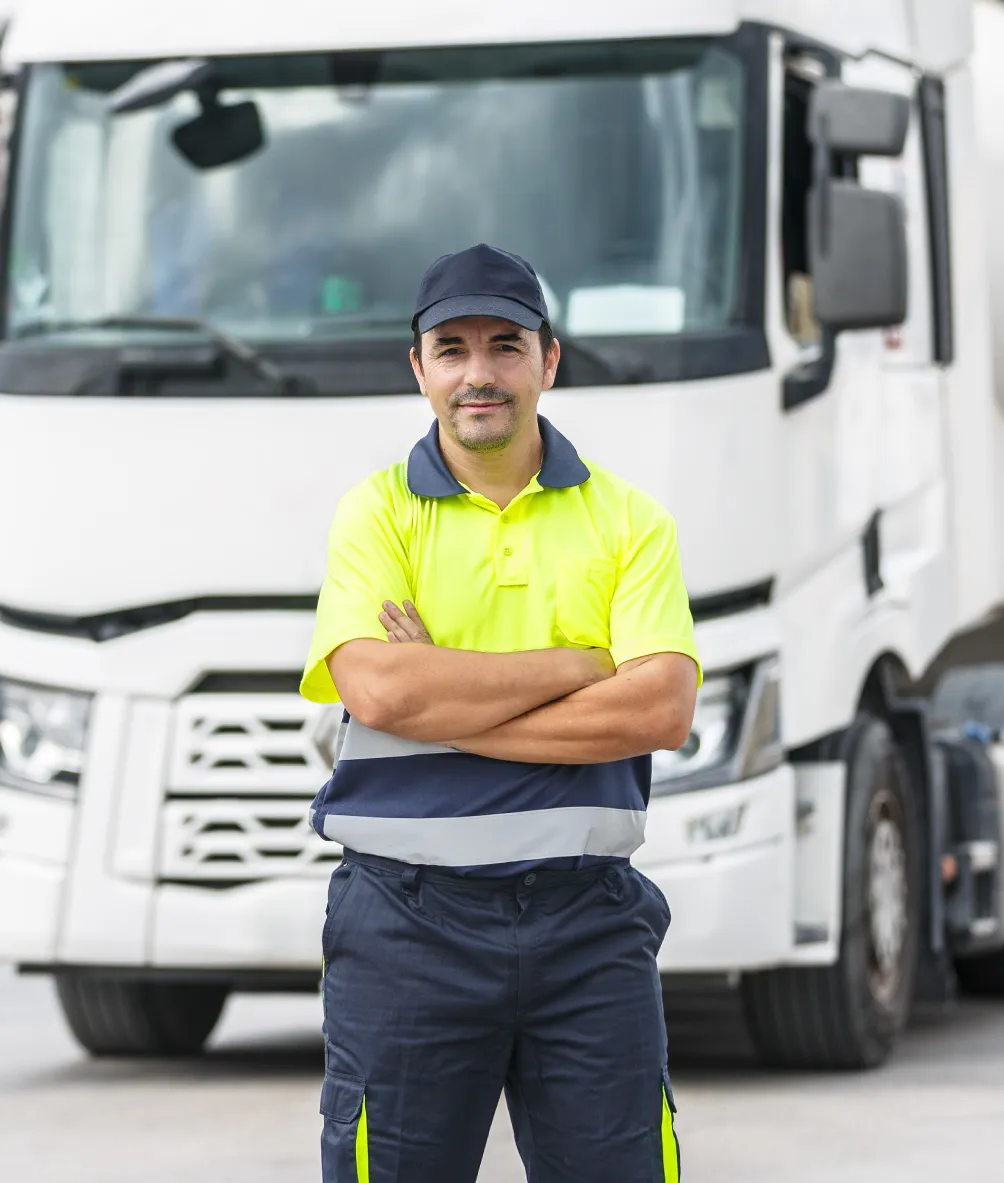
Drivers
Register as a driver to explore truck and commercial driving jobs across Europe and apply directly to verified employers.

Recruiters
Register as a recruiter to post driver jobs, reach active professional drivers, and support employers with fast and efficient hiring.

Trusted by Employers Across Europe

Successful hiring satisfaction

Of drivers and employers receive active support via FastDriver.eu

10+
Do you have any questions?
We support truck drivers, transport companies, and recruiters with job opportunities and driver recruitment across Europe, helping drivers find work and employers hire qualified professionals. Our job portal, FastDriver.eu, allows companies and recruiters to post driver jobs and connect directly with professional truck drivers through a simple, efficient platform.


For Employers
For Recruiter
Useful Links:
Important Links:
-
Jobs in Austria
Jobs in Belgium
Jobs in Croatia
Jobs in Cyprus
Jobs in Estonia
Jobs in Finland
Jobs in France
Jobs in Germany
Jobs in Greece
Jobs in Ireland
Jobs in Italy
Jobs in France
Jobs in Lithuania
Jobs in Luxembourg
Jobs in Malta
Jobs in Netherlands
Jobs in Portugal
Jobs in Slovakia
Driver
Jobs in Slovenia
Jobs in Spain
Jobs in Andorra
Jobs in Monaco
Truck
Jobs in San Marino
Jobs in France
Jobs in Kosovo
Jobs in Montenegro
Jobs in Bulgaria
Jobs in Czech Republic
Jobs in Denmark
Jobs in Hungary
Jobs in Poland
Jobs in Romania
Jobs in Sweden
Jobs in United Kingdom
Jobs in Norway
Jobs in Switzerland
Jobs in Serbia
Jobs in Turkey
Jobs in Albania
Jobs in Andorra
Jobs in Armenia
Jobs in Azerbaijan
Jobs in Belarus
Jobs in Bosnia and Herzegovina
Jobs in Georgia
Jobs in Iceland
Jobs in Kosovo
Liechtenstein
Jobs in Moldova
Jobs in Russia
Jobs in Ukraine
Copyright © 2026 fastdriver. All Rights Reserved.