Europe’s transport sector is a backbone of the economy, with constant demand for skilled truck drivers. From local deliveries to cross-border logistics, HGV drivers play a vital role in keeping supply chains moving. With steady demand across multiple countries, truck driving in Europe offers stable employment, competitive earnings, and long-term career security for qualified drivers.

TRUCK DRIVER JOBS IN EUROPE
Explore Truck Driver Jobs by Country
Find truck driver jobs across Europe with salary details, country demand, licence requirements, and work guidance. FastDriver.eu helps professional HGV and truck drivers compare opportunities, understand employer requirements, and apply for suitable driving jobs.
- Compare Salary by Country
- Explore Truck Driver Jobs
- Licence Requirements
- Work Permit Guidance
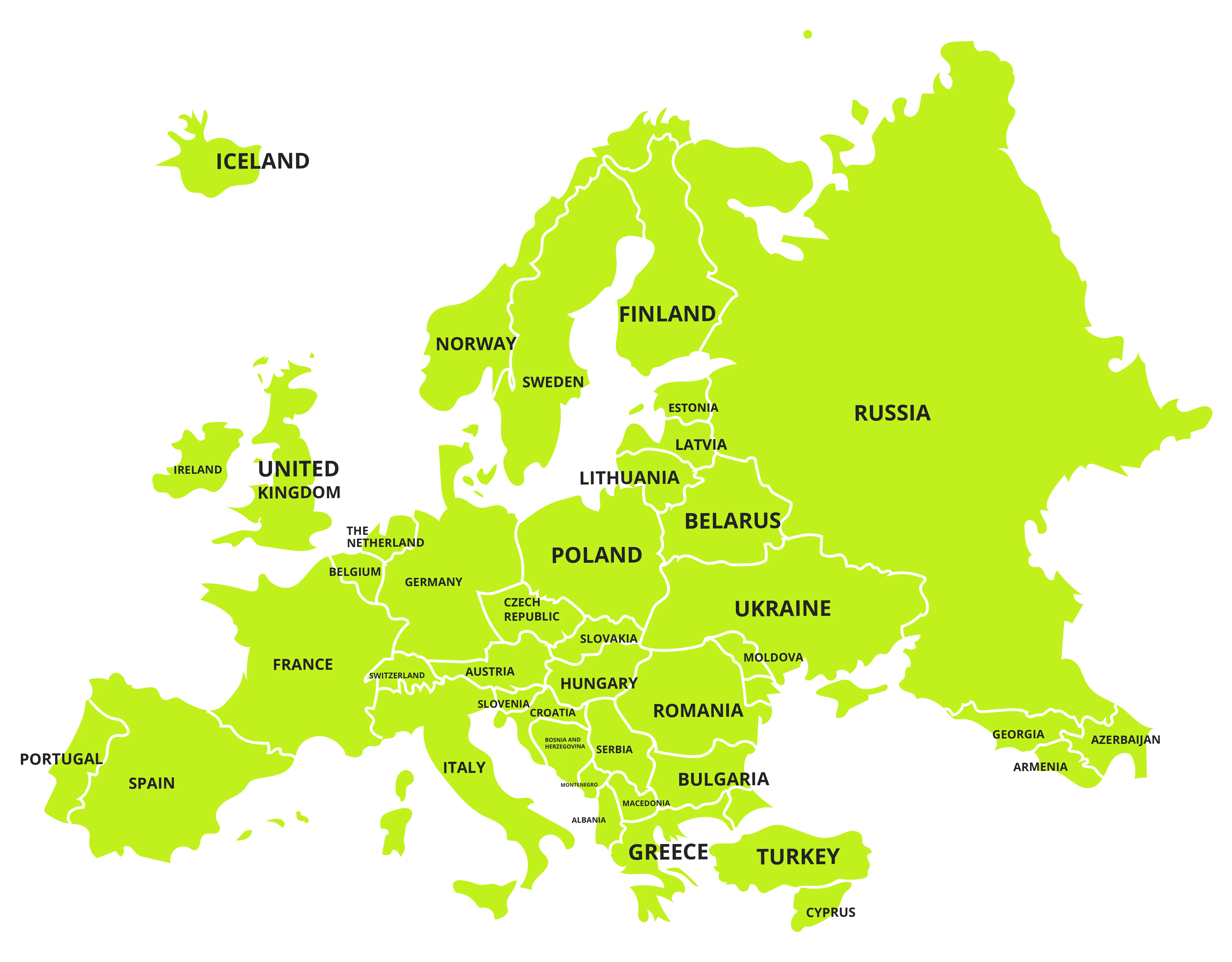
Truck Driver Jobs in Europe by Country – Salary, Demand & Work Guide
Truck driver jobs in Europe are in high demand as logistics, transport, and international trade continue to grow across the region. Employers are actively hiring professional HGV and truck drivers for local delivery, long-haul routes, and cross-border freight operations.
FastDriver.eu helps drivers explore truck driver jobs by country, compare salary expectations, understand licence requirements, and find verified job opportunities with trusted employers across Europe.
Truck driver jobs in Europe for foreigners are also available, depending on experience, licence category, and employer requirements.
What Are Truck Driver Jobs in Europe? (Complete Guide)
Truck driver jobs in Europe involve transporting goods across cities, regions, and international routes using heavy commercial vehicles. These roles are essential for supply chains, retail distribution, industrial logistics, and international trade.
The following are the most common truck driver roles in Europe:
- Long-haul truck drivers
- Regional delivery drivers
- International freight drivers
- Refrigerated transport drivers
- Tanker and specialised vehicle drivers
- Construction and bulk transport drivers
Each role depends on route type, employer requirements, and country regulations.
Why Is There a Truck Driver Shortage in Europe?
The demand for truck drivers continues to increase due to:
- Growth in e-commerce and logistics
- Expansion of international trade
- Ageing workforce and fewer new drivers
- Increased demand for cross-border transport
- Strict licensing and qualification requirements
Because of this, employers across Europe are actively hiring both EU and non-EU drivers.
In-Demand Truck Driver Roles in Europe
The following truck driving roles are currently among the most in demand across Europe:
- CE Licence Drivers – Heavy and articulated vehicles
- Long-Haul Drivers – International and long-distance routes
- Refrigerated Drivers – Food and temperature-controlled transport
- Construction Drivers – Material and industrial transport
- Tanker Drivers – Fuel and specialised cargo
These roles offer stable employment and competitive pay.
Truck Driver Salary in Europe by Country
Below is the average truck driver salary in Europe based on region and demand:
| Region | Average Monthly Salary |
|---|---|
| Western Europe | €3,700 – €5,800 |
| Northern Europe | €4,100 – €6,200 |
| Central Europe | €2,900 – €4,500 |
| Southern Europe | €2,500 – €4,100 |
| Eastern Europe | €2,300 – €3,700 |
Salary depends on country, experience, route type, and employer benefits.
Requirements for Truck Driver Jobs in Europe
To work legally as a truck driver in Europe, you typically need:
- Valid Category C or CE driving licence
- Code 95 (CPC certification) where required
- Relevant driving experience
- Professional CV with licence details
- Employment contract from an employer
- Work permit or legal authorisation if applicable
Truck Driver Jobs in Europe for Foreigners
Foreign drivers can apply for truck driver jobs in Europe if they meet the licence, experience, and employer requirements. In many cases, employers support work permit processes due to labour shortages and legal hiring requirements.
Top Countries Hiring Truck Drivers in Europe
Popular hiring destinations include:
- Poland
- Germany
- Netherlands
- France
- Spain
- Italy
- Lithuania
- Czech Republic
- Romania
Explore Truck Driver Jobs by Country
Explore opportunities in top countries:
- Truck Driver Jobs in Poland
- Truck Driver Jobs in Germany
- Truck Driver Jobs in France
- Truck Driver Jobs in Spain
- Truck Driver Jobs in Italy
- Truck Driver Jobs in the Netherlands
- Truck Driver Jobs in Romania
- Truck Driver Jobs in Lithuania
- Truck Driver Jobs in the Czech Republic
These countries offer some of the highest demand for truck drivers in Europe.
How to Apply for Truck Driver Jobs in Europe (Step-by-Step)
- Check your driving licence (C or CE category)
- Complete required certifications, such as Code 9,5 if needed
- Prepare a professional CV
- Apply through trusted platforms like FastDriver.eu
- Complete employer selection and legal process
Benefits of Working as a Truck Driver in Europe
Working as a truck driver in Europe can offer the following advantages:
- High demand and job stability
- Competitive salaries
- Overtime and bonus opportunities
- Long-term career growth
- International work experience
Final Thoughts on Truck Driving Careers in Europe
Truck driver jobs in Europe offer strong opportunities for drivers looking for stable employment and career growth in the logistics sector. With the right qualifications and the legal due process in place, drivers can access multiple job opportunities across European countries.
Start Your Truck Driving Career in Europe
Explore country-specific job opportunities and apply through FastDriver.eu to begin your journey in the European logistics sector.
Important Disclaimer
This information is provided for general guidance only. Job availability, salary, licence recognition, work permit eligibility, visa approval, and employer hiring conditions depend on country rules, employer requirements, and official legal processes. No job offer, permit, or visa can be guaranteed.
Job Opportunities for Truck Drivers in Europe
 Austria
 Germany
 Poland
 Netherlands
 France
 Italy
Italy
 Spain
Spain
 Belgium
 Czech Republic
 Sweden
 Romania
 Portugal
 Slovakia
 Hungary
 Switzerland
 Ireland
 Denmark
 Norway
 Finland
 Lithuania
 Latvia
 Estonia
 Bulgaria
 Croatia
 Slovenia
 Greece
 Luxembourg
 Cyprus
 North Macedonia
 Albania
 Montenegro
 Kosovo
 Moldova
 Iceland
 Malta
Malta
 United Kingdom
 Turkey
 Serbia
 Bosnia and Herzegovina
 Ukraine
 Georgia
 Armenia
 Azerbaijan
 Russia
 Belarus
 Andorra
 Liechtenstein
 San Marino
 Monaco
 Vatican City
Frequently Asked Questions (FAQs) – Truck Driver Jobs in Europe
This FAQ covers the most important questions about truck driver jobs across Europe — eligibility, licences, Code 95, salaries, work permits, and legal rights. Drivers can explore vacancies, check eligibility, and build a profile through FastDriver.eu. Employers can post jobs and connect with qualified candidates directly on the platform.- Are truck drivers in demand in Austria?
- What is the truck driver shortage in Austria and why does it exist?
- How many truck drivers does Austria need by 2030?
- Which Austrian states have the most truck driver jobs?
- What is the job outlook for truck drivers in Austria over the next 10 years?
- Can I get a truck driver job in Austria with no prior experience?
- What types of truck driving jobs are available in Austria?
- Are there more job opportunities in Austria’s cities or rural regions?
- Can I work for an international transport company based in Austria?
- What is the typical contract length for truck driving jobs in Austria?
- How quickly can I find a truck driver job in Austria?
- What licence do I need to drive a truck in Austria?
- What is a CE licence in Austria?
- How long is a CE licence valid in Austria?
- Can I work in Austria with a non-EU driving licence?
- How do I convert a non-EU CE licence to an Austrian licence?
- Can I exchange a foreign EU driving licence for an Austrian one?
- What is EU Directive 2006/126/EC and how does it affect my CE licence in Austria?
- Do I need to notify Austrian authorities when I move there with my existing CE licence?
- How do I verify that my CE licence meets Austrian standards?
- What if my CE licence has expired?
- Can I renew my CE licence while working in Austria?
- What medical requirements apply to CE licence holders in Austria?
- Is there an age limit for driving trucks in Austria?
- Can I get a temporary CE licence while my permanent one is being renewed?
- What happens if I drive in Austria with an invalid or expired CE licence?
- How do I prove my CE licence is valid when applying for jobs in Austria?
- What is Code 95 (C95), and do I really need it?
- What is Driver CPC and how does it relate to Code 95?
- Do all truck drivers in Austria need Code 95?
- How often do I need to renew Code 95?
- What topics are covered in Code 95 periodic training?
- Where can I get Code 95 training in Austria?
- How long does Code 95 training take?
- What is the cost of Code 95 training in Austria?
- Can I complete Code 95 training online in Austria?
- What happens if my Code 95 expires?
- Can I renew Code 95 while already working in Austria?
- How do I know if my Code 95 is valid?
- What is the difference between an initial Code 95 qualification and periodic training?
- Can Code 95 training be transferred between EU countries?
- Is Code 95 required for driving inside Austria only, or also for international routes?
- Can I work as a truck driver in Austria without Code 95?
- What is a tachograph driver card, and do I need one in Austria?
- How do I obtain a tachograph driver card in Austria?
- How long is a tachograph driver card valid?
- What happens if I drive without a valid tachograph driver card?
- How does a tachograph record my driving hours?
- What are the EU driving hours rules enforced by tachograph in Austria?
- Can I tamper with or bypass a tachograph in Austria?
- What should I do if my tachograph driver card is lost or damaged?
- How often are tachograph compliance checks conducted in Austria?
- How much do truck drivers earn in Austria?
- What is the average truck driver salary in Vienna?
- What is the average truck driver salary in Upper Austria (Linz, Wels, Steyr)?
- What is the average truck driver salary in Tyrol (Innsbruck, Brenner)?
- What are typical salary components for truck drivers in Austria?
- Do Austrian truck drivers receive a 13th and 14th-month bonus? Austria’s collective agreements and standard practice provide 13th and 14th-month bonuses (equivalent to one or two additional months of salary paid in June and December). This is a legal requ
- What are typical overtime rates for truck drivers in Austria?
- Do truck drivers in Austria receive shift differentials?
- What is a typical workweek for a truck driver in Austria?
- Do Austrian truck drivers receive paid holidays?
- How are overtime hours calculated and paid in Austria?
- Do Austrian employers deduct taxes from truck driver salaries?
- What is the pension contribution rate for truck drivers in Austria?
- Are there performance bonuses for truck drivers in Austria?
- Can I negotiate salary as a truck driver in Austria?
- Are there salary differences between long-haul and domestic truck drivers in Austria?
- Do truck drivers in Austria receive vehicle allowances?
- What should a truck driver employment contract in Austria include?
- Is a written contract required for truck driver jobs in Austria?
- What is a probation period in Austria?
- Can an employer terminate me during probation in Austria?
- How much notice must an employer give before terminating my employment in Austria?
- What worker protections do Austrian labour laws provide?
- Can an employer require me to work on Sundays or public holidays in Austria?
- What are my rights if my employer fails to pay my salary on time in Austria?
- Can I refuse unsafe work assignments in Austria?
- What happens if I get injured while driving for work in Austria?
- Can an employer require me to sign a non-compete clause in Austria?
- What is my right to paid leave in Austria?
- Can my employer refuse to grant me holiday time?
- What is the minimum notice period I must give if I want to resign in Austria?
- What should I do if I believe my contract violates Austrian labour law?
- Can I work part-time as a truck driver in Austria?
- What happens if my employer goes bankrupt in Austria?
- What are the working hours and rest rules?
- What is the maximum daily driving time allowed in Austria?
- What is the maximum weekly driving time allowed in Austria?
- What are mandatory break requirements for truck drivers in Austria?
- What are daily rest requirements for truck drivers in Austria?
- What are weekly rest requirements for truck drivers in Austria?
- Can my employer make me exceed driving hour limits in Austria?
- What happens if I exceed driving hour limits in Austria?
- How are night work hours defined for truck drivers in Austria?
- Can I work night shifts as a truck driver in Austria?
- What are fatigue management requirements for truck drivers in Austria?
- How are tachograph violations handled in Austria?
- How much experience do I need?
- What driving experience is expected for CE licence jobs in Austria?
- What is articulated vehicle experience, and is it required in Austria?
- What load-securing skills do Austrian employers expect?
- Do I need to speak German to get a truck driving job in Austria?
- What English language skills are needed for truck driving in Austria?
- Are there driving safety certifications I should have?
- What is ADR certification, and does it apply to Austrian truck drivers?
- How do I obtain ADR certification for Austria?
- Do Austrian employers prefer drivers with refrigerated (frigo) transport experience?
- What soft skills do Austrian employers value in truck drivers?
- Can non-EU drivers work in Austria, and what permit is needed?
- What is the Red-White-Red Card for truck drivers in Austria?
- Do I need a visa to enter Austria?
- What is a Category D long-stay work visa for Austria?
- How long does work authorization processing take in Austria?
- What documents do I need for non-EU work authorization in Austria?
- Can my employer sponsor my work visa in Austria?
- Do I need health insurance for an Austrian work visa?
- Can I apply for an Austrian work visa while outside Austria?
- What is the processing time for an Austrian Category D work visa?
- Can my family members accompany me on an Austrian work visa?
- Do I need to renew my work authorization while working in Austria?
- What happens if my work authorization expires while I am in Austria?
- Can I change employers while on an Austrian work visa?
- What truck driving jobs are available in Vienna?
- What truck driving jobs are available in Lower Austria?
- What truck driving jobs are available in Upper Austria (Linz, Wels, Steyr)?
- What truck driving jobs are available in Styria (Graz)?
- What truck driving jobs are available in Salzburg?
- What truck driving jobs are available in Tyrol (Innsbruck, Brenner)?
- What truck driving jobs are available in Carinthia (Klagenfurt, Villach)?
- What truck driving jobs are available in Vorarlberg?
- What truck driving jobs are available in Burgenland?
- Which Austrian state has the highest truck driver salaries?
- Which Austrian state has the most job opportunities for truck drivers?
- Is it easier to find a job in Austria’s major cities or smaller towns?
- How do I apply for a truck driver job in Austria?
- What should I include in a truck driver CV for Austria?
- Do Austrian employers require references?
- What is a typical hiring timeline for truck driver roles in Austria?
- Will I have a job interview before starting as a truck driver in Austria?
- Can I negotiate my salary as a truck driver in Austria?
- What should I ask potential employers during a job interview?
- Is a job placement or work permit guaranteed?
- How do I verify that a job posting is legitimate?
- Should I expect a medical examination as part of the hiring process?
- How should I prepare for my first day as a truck driver in Austria?
- Travel & Health Insurance – Frequently Asked Questions
- Is travel insurance mandatory for Europe?
- What is the difference between travel and health insurance?
- What is the minimum cover for a Schengen visa?
- What does travel insurance cover?
- What does it not cover?
- Do visa-free travellers need travel insurance?
- Can I use travel insurance for a residence permit?
- What must the insurance document show?
- Does it cover repatriation?
- Are pre-existing conditions covered?
- What should drivers look for?
- Single-trip or annual policy?
- How do I make a claim?
- Is travel insurance the same as vehicle insurance?
- Where can I check official requirements?
- What is employment-based health insurance in Austria?
- Do I need additional private health insurance in Austria?
- How do I obtain health insurance when relocating to Austria for work?
- What medical services are covered by Austrian employment-based health insurance?
- What compliance checks do Austrian authorities conduct on truck drivers?
- What are the typical fines for driving violations in Austria?
- What is the speed limit for trucks in Austria?
- Can I face criminal charges for serious driving violations in Austria?
- What should I do if I am stopped by police in Austria?
- What happens if I have an accident while driving for work in Austria?
- Can I be held personally liable for accidents while driving a company vehicle in Austria?
- What should I do if my employer asks me to do something unsafe?
- Is substance testing conducted on truck drivers in Austria?
- What is the legal alcohol limit for truck drivers in Austria?
- What are my rights if I believe my employer is breaking the law?
- Can I build a long-term career as a truck driver in Austria?
- What are the career progression opportunities for truck drivers in Austria?
- How can I improve my salary prospects as a truck driver in Austria?
- Should I obtain additional professional certifications as a truck driver in Austria?
- Can I transition to other roles after working as a truck driver in Austria?
- Is continuous training required for truck drivers in Austria?
- Can I pursue higher education while working as a truck driver in Austria?
- What is the retirement age for truck drivers in Austria?
- Are pension contributions compulsory for truck drivers in Austria?
- Can I work seasonally as a truck driver in Austria?
- Should I maintain a professional online presence as a truck driver in Austria?
- How can I stay updated on Austrian truck driving regulations?
- What support is available if I face workplace discrimination in Austria?

Driver Jobs in Europe
Work with trusted European employers.
Start your international driving career.
Apply for Driver Jobs Now!
Last Updated: June 16, 2026
This content is reviewed and updated periodically to maintain accuracy and relevance.
Why FastDriver.eu ?
Our mission is to simplify truck driver recruitment across Europe.

Expanding Access
We continuously expand access to qualified, verified EU and non-EU truck drivers across Europe. By adapting to evolving transport demands and regulatory frameworks, we enable employers to secure talent efficiently and at scale.

Streamlining Recruitment
FastDriver.eu removes complexity from the hiring process by simplifying job posting, candidate shortlisting, and coordination. Our structured workflows reduce administrative effort, accelerate hiring timelines, and support informed decision-making.

People-Centered Approach
We place employers and drivers at the core of our platform. By combining industry expertise with a responsible, transparent approach, we deliver trust, reliability, and peace of mind throughout the recruitment journey.
FastDriver.eu is where truck drivers get hired:
Our job portal connects logistics companies with verified truck drivers across Europe and beyond.
5K+
Driver-job matches completed
43+
Countries and territories
200+
Hiring companies

5K+
Driver-job matches completed
43+
Countries and territories
200+
Hiring companies
Get Started with FastDriver
Our Platform
We connect truck drivers, transport companies, and recruiters across Europe through a dedicated driver job platform.

Employer
Register as a company to post truck driver jobs, manage vacancies, and connect directly with qualified professional drivers.

Drivers
Register as a driver to explore truck and commercial driving jobs across Europe and apply directly to verified employers.

Recruiters
Register as a recruiter to post driver jobs, reach active professional drivers, and support employers with fast and efficient hiring.

Trusted by Employers Across Europe

Successful hiring satisfaction

Of drivers and employers receive active support via FastDriver.eu

10+
Do you have any questions?
We support truck drivers, transport companies, and recruiters with job opportunities and driver recruitment across Europe, helping drivers find work and employers hire qualified professionals. Our job portal, FastDriver.eu, allows companies and recruiters to post driver jobs and connect directly with professional truck drivers through a simple, efficient platform.

