
Why Choosing the Right Truck Is So Important in Europe
In Europe, a truck is not just a machine that moves goods. It is a working environment, a living space, and a business asset. Trucks operate under strict EU rules, travel across borders, and run almost every day of the year.
For truck drivers, the truck decides:
- how tired they feel
- how safely they can drive
- how well they can rest
- How long can they stay in the job
For logistics companies and fleet owners, the truck decides:
- fuel and maintenance costs
- delivery reliability
- accident risk
- driver retention
- long-term profit
That is why choosing the right truck for Europe is a strategic decision, not just a purchase.


European Trucking Conditions Explained (In Detail)
- Cross-border driving
A single route may pass through 3–5 countries, each with its own inspections, toll systems, and enforcement style. - Mixed road types
Trucks must handle:
• high-speed motorways
• narrow city streets
• industrial zones
• mountain passes - Harsh weather conditions
Drivers face snow, ice, heavy rain, fog, heatwaves, and strong winds—sometimes all in one week. - Strict enforcement
Police and transport authorities regularly check:
• vehicle condition
• driver rest compliance
• safety systems
• emissions
A truck suitable for Europe must be robust, flexible, and legally compliant at all times.
Driver Comfort: Why It Directly Affects Safety and Business
Why Comfort Matters
- Tired drivers make more mistakes
- Poor sleep reduces reaction time
- Back pain and stress increase sick leave
- Uncomfortable trucks increase driver turnover
Key Comfort Elements Explained
- Sleeper cabin space
Drivers need enough room to stretch, move, and rest properly after long driving hours. - Ergonomic driver seat
A good seat reduces back pain, shoulder strain, and fatigue over long distances. - Quality mattress & insulation
Good sleep improves focus and safety the next day. - Low cabin noise & vibration
Quieter cabins help drivers sleep and reduce long-term health damage. - Climate control
Europe has cold winters and hot summers. Proper heating and cooling are essential.
Comforted drivers are safer drivers.


Truck Cabin as a Living Space (Long-Haul Reality)
What Makes a Cabin Livable
- Standing height
Allows drivers to move comfortably without constant bending. - Storage compartments
Space for clothes, food, tools, and personal items. - Privacy curtains
Important for rest at busy truck stops and service areas. - Interior lighting zones
Different lighting for driving, resting, and working. - Easy-clean surfaces
Keeps the cabin hygienic and pleasant over long trips.
A well-designed cabin supports mental health and job satisfaction.
Safety Systems Expected on European Trucks
Why Safety Systems Are Critical
- Reduce accidents
- Protect drivers and other road users
- Lower insurance costs
- Reduce company liability
Essential Safety Features Explained
- Emergency braking assistance
Automatically brakes if collision risk is detected. - Lane departure warning
Alerts drivers if the truck drifts unintentionally. - Blind-spot monitoring
Protects cyclists and pedestrians in cities. - Adaptive cruise control
Maintains a safe distance in traffic. - Driver fatigue monitoring
Detects signs of tiredness and warns the driver.
Safety technology saves lives and money.

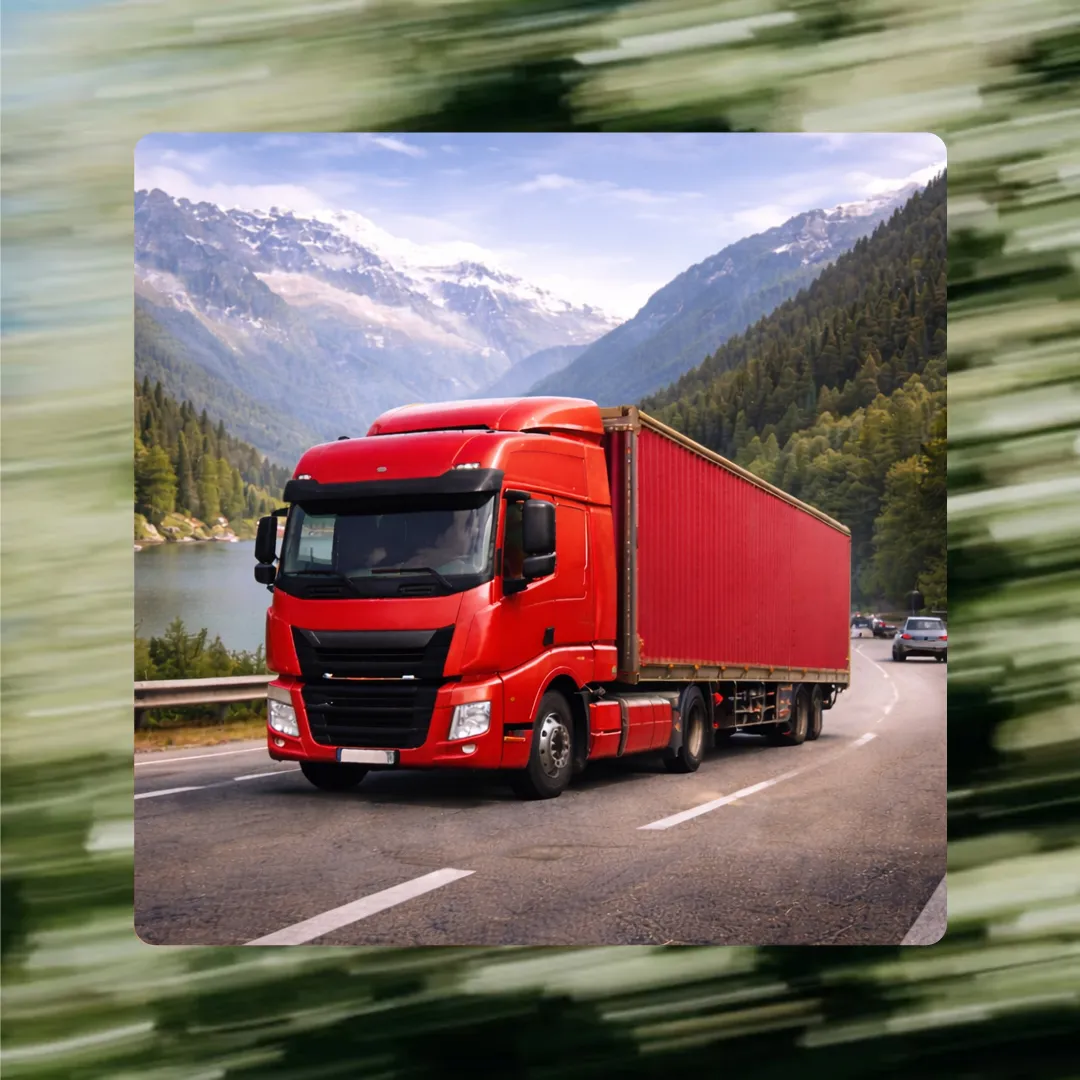
Engine Performance for European Routes
What Matters in Engine Performance
- High torque at low RPM
Essential for hills, heavy loads, and fuel efficiency. - Smooth power delivery
Reduces driver fatigue and component wear. - Reliability under load
Trucks often run near maximum weight. - Long-distance durability
European trucks often exceed very high mileage.
Balanced engines reduce costs and breakdowns.
Fuel Efficiency: The Biggest Cost Factor Explained
How Trucks Save Fuel
- Aerodynamic design
Reduces air resistance at highway speeds. - Intelligent cruise control
Keeps optimal speed automatically. - Optimised gear shifting
Avoids unnecessary fuel usage. - Reduced idle time
Stops fuel waste during rest periods. - Eco-driving support systems
Guide drivers to drive more efficiently.
Even 1–2% savings add up to thousands of euros per year.
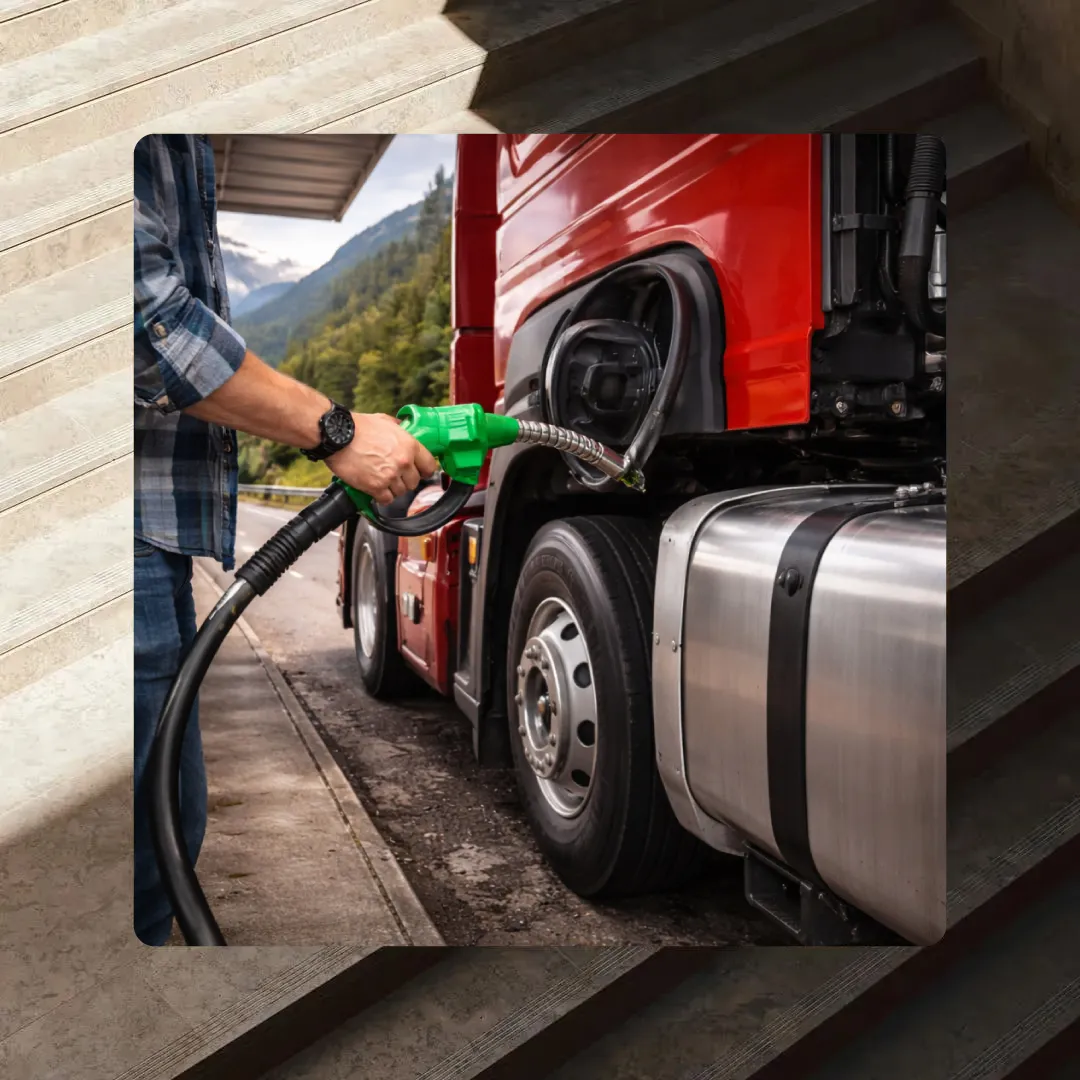

Maintenance, Reliability & Downtime Prevention
Downtime in Europe means:
- missed delivery slots
- penalties
- lost clients
What Makes a Truck Reliable
- Long service intervals
- Easy access to key components
- Durable materials
- Clear diagnostic alerts
- Fast repair capability
Reliable trucks keep business running smoothly.
Driver-Support Technology (Not Distraction)
Technology should help drivers focus, not overload them.
Useful Technologies Explained
- Digital dashboards with clear information
- Truck-specific navigation avoiding restricted roads
- Hands-free communication systems
- Fleet telematics for planning and support
- Simple, logical control layouts
Good technology reduces stress and errors.


Choosing the Right Truck for Each Job Type
Different transport jobs require different truck setups.
Examples
- Long-haul freight → comfort & fuel efficiency
- Regional delivery → agility & visibility
- Refrigerated transport → stable power supply
- Construction → strength & durability
- Urban logistics → compact size & safety systems
There is no one-size-fits-all truck.

What Truck Drivers Look for Before Accepting a Job
Drivers often choose employers based on the trucks they operate.
Drivers Prefer
- Clean and modern vehicles
- Comfortable sleeping conditions
- Reliable safety features
- Regular maintenance
- Respectful treatment
A good truck helps companies attract skilled drivers.
Smart Truck Buying for Fleet Owners
Buying a truck is a long-term investment.
Total Cost of Ownership Includes
- Purchase price
- Fuel consumption
- Maintenance and repairs
- Driver retention costs
- Resale value
The cheapest truck often ends up costing more in the long run.


Legal & Regulatory Compliance in Europe
Every truck must meet:
- Emission standards
- Tachograph rules
- Weight limits
- Safety certifications
Non-compliance can stop operations completely.
Professional Image on European Roads
A truck represents the company.
A professional appearance:
- builds trust
- reduces inspections
- attracts drivers
- impresses clients
Image matters.

Truck Selection in Europe
Choosing the right truck affects everything from driver safety and comfort to fuel costs, reliability and legal compliance. Below are clear answers to the questions that drivers, fleet owners, and recruiters most often ask when selecting a truck for European roads.- Why is choosing the right truck so important in Europe?
- What conditions must a European truck be able to handle?
- Is there one truck that fits every job?
- Why does driver comfort matter for safety and business?
- What makes a truck cabin livable for long-haul work?
- Why do standing height and storage matter for long-haul drivers?
- Why do cabin noise and vibration matter beyond comfort?
- Which safety systems should a European truck have?
- How do safety systems lower business costs?
- What engine qualities matter most for European routes?
- What truck technology actually helps drivers?
- How do modern trucks save fuel?
- What is the link between fuel efficiency and profit?
- Why is reliability and downtime prevention so important?
- What should fleet owners consider when buying a truck?
- What legal requirements must trucks meet in Europe?
- What happens if a truck is not compliant with EU rules?
- What is the difference between a Euro 6 and a Euro 7 truck?
- What do drivers look for before accepting a job?
- How does the right truck affect driver retention?
- How does the right truck reduce roadside inspections and delays?
- How does a truck affect acompany’ss professional image?
- How does FastDriver.eu fit into choosing the right truck?
- Should I choose a new or a used truck?
- Diesel or electric/ alternative fuel — which is better for European trucking?
- How many kilometres does a European truck typically last?
Final Thoughts
For drivers, fleet owners and operators across Europe, the truck is never just a vehicle — it is a workplace, a home on the road and a long-term investment. The right choice improves safety, lowers running costs, keeps deliveries reliable and helps companies attract and retain skilled drivers. With professional drivers listed as a shortage occupation in many EU countries, well-equipped, compliant trucks are also a powerful recruitment tool. Employers can Hire Professional Truck Drivers in Europe through FastDriver, and drivers can register for opportunities or browse truck driver vacancies across Europe to take the next step.
Disclaimer
This guide is provided for general informational purposes only and does not constitute legal, technical, financial or professional advice. Vehicle specifications, emission standards, safety equipment requirements, tachograph rules, weight limits, and enforcement procedures vary between countries and are subject to change. Readers should verify the current requirements applicable to their situation with the relevant national transport authority, the truck manufacturer, the European Commission’s official transport resources, or a qualified professional before making any purchasing, operational, legal or career decisions. FastDriver makes reasonable efforts to maintain accurate information but accepts no liability for errors, omissions or actions taken in reliance on this guide.
Official EU References
The following official sources govern trucks operating in Europe:
- Regulation (EU) 2024/1257 — Euro 7 emission standard (EUR-Lex) — https://eur-lex.europa.eu
- Regulation (EC) No 561/2006 — driving times and rest periods (EUR-Lex) — https://eur-lex.europa.eu
- Regulation (EU) No 165/2014 — tachographs (EUR-Lex) — https://eur-lex.europa.eu
- Regulation (EU) 2019/2144 — General Safety Regulation, mandatory driver-assistance systems (EUR-Lex) — https://eur-lex.europa.eu
- Directive 96/53/EC — maximum weights and dimensions (EUR-Lex) — https://eur-lex.europa.eu
- European Commission — Mobility and Transport — https://transport.ec.europa.eu
About FastDriver.eu
FastDriver.eu is Europe’s trusted platform for professional truck driver recruitment and transport compliance information. We connect verified professional drivers with reputable transport operators across all 27 EU member states and provide clear, practical guidance on EU driving licences, Code 95 qualification, tachograph compliance, vehicle standards, and driver welfare. For employers, we deliver pre-vetted candidates ready to work. For drivers, we provide access to opportunities across Europe.
Related Guides
If you are choosing a truck or planning to work across borders, these guides may also help:

Driving the right truck across Europe?
Whether you’re a driver looking for quality vehicles and better routes, or an employer hiring road-ready professionals, FastDriver connects the right drivers with the right trucks across the EU.
Find truck driver jobs in Europe
Last Updated: January 24, 2026
This content is reviewed and updated periodically to maintain accuracy and relevance.
Why FastDriver.eu ?
Our mission is to simplify truck driver recruitment across Europe.

Expanding Access
We continuously expand access to qualified, verified EU and non-EU truck drivers across Europe. By adapting to evolving transport demands and regulatory frameworks, we enable employers to secure talent efficiently and at scale.

Streamlining Recruitment
FastDriver.eu removes complexity from the hiring process by simplifying job posting, candidate shortlisting, and coordination. Our structured workflows reduce administrative effort, accelerate hiring timelines, and support informed decision-making.

People-Centered Approach
We place employers and drivers at the core of our platform. By combining industry expertise with a responsible, transparent approach, we deliver trust, reliability, and peace of mind throughout the recruitment journey.
FastDriver.eu is where truck drivers get hired:
Our job portal connects logistics companies with verified truck drivers across Europe and beyond.
5K+
Driver-job matches completed
43+
Countries and territories
200+
Hiring companies

5K+
Driver-job matches completed
43+
Countries and territories
200+
Hiring companies
Get Started with FastDriver
Our Platform
We connect truck drivers, transport companies, and recruiters across Europe through a dedicated driver job platform.

Employer
Register as a company to post truck driver jobs, manage vacancies, and connect directly with qualified professional drivers.

Drivers
Register as a driver to explore truck and commercial driving jobs across Europe and apply directly to verified employers.

Recruiters
Register as a recruiter to post driver jobs, reach active professional drivers, and support employers with fast and efficient hiring.

Trusted by Employers Across Europe

Successful hiring satisfaction

Of drivers and employers receive active support via FastDriver.eu

10+
Do you have any questions?
We support truck drivers, transport companies, and recruiters with job opportunities and driver recruitment across Europe, helping drivers find work and employers hire qualified professionals. Our job portal, FastDriver.eu, allows companies and recruiters to post driver jobs and connect directly with professional truck drivers through a simple, efficient platform.

