
Why Choosing the Right Truck Is So Important in Europe
The truck a driver spends their working life in shapes everything — safety on busy European corridors, comfort and rest on long hauls, fuel and running costs for the fleet, and uptime that keeps freight moving. This guide explains why choosing the right truck in Europe matters for drivers and operators alike, covering safety systems, cab comfort, fuel efficiency, reliability, compliance, and the shift toward cleaner vehicles.
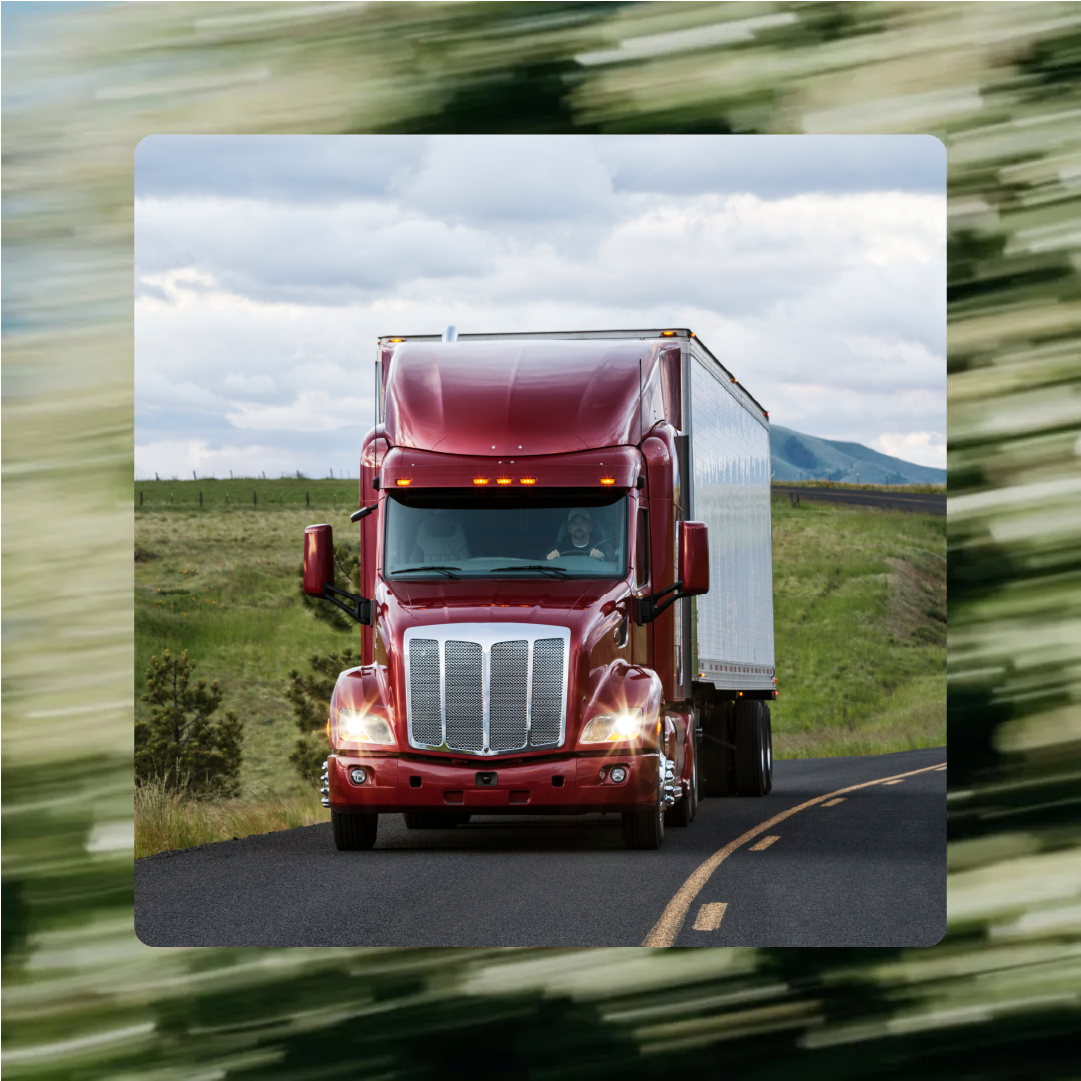
Why Choosing the Right Truck Is So Important in Europe
For a professional driver, the truck is a workplace, a rest space, and a second home for days at a time. For an operator, it is the single biggest capital and running-cost decision in the business. In Europe — with its dense motorway network, strict safety and emissions rules, and a serious driver shortage — choosing the right truck is no longer just a procurement detail. It directly affects driver safety, comfort, and retention; fuel and total running costs; and afleet’ss long-term logistics success. This guide explains why the choice matters so much and what drivers and operators should weigh up. Drivers looking for roles with quality, well-specified vehicles can start with a free driver account.
Safety: The First Reason the Right Truck Matters
European roads carry enormous freight volumes, and the right truck keeps drivers and other road users safer. Modern trucks come with advanced driver-assistance systems — automatic emergency braking, lane-keeping assistance, blind-spot and vulnerable-road-user detection, and intelligent speed assistance — many of which are now required on new vehicles under EU vehicle-safety rules. A well-specified, well-maintained truck with current safety technology reduces collision risk, protects the driver, and lowers an operator’s accident and insurance exposure.
Comfort and Driver Wellbeing
Comfort is not a luxury in long-haul work; it is a safety and retention issue. Under EU rules, drivers cannot spend more than 45 hours in their regular weekly rest in the cab, but they still spend long days and nights in the vehicle, so cab ergonomics matter enormously.
Why Cab Quality Drives Retention
A spacious cab, a quality bunk, effective climate control, low noise, and good seating reduce fatigue and make the job sustainable. In a market where drivers are scarce, the quality of the truck is a genuine recruitment and retention tool — drivers increasingly choose employers partly on the vehicles they will be assigned. Operators competing for talent can post well-specified roles through an employer account.
Fuel Efficiency and Total Cost of Ownership
Fuel is one of the highest costs in road freight, so the right truck pays for itself over its life. Aerodynamics, engine efficiency, predictive cruise control, low-rolling-resistance tyres, and right-sized powertrains all cut consumption. Smart operators look beyond the purchase price to total cost of ownership — fuel, maintenance, tolls, residual value, and downtime — where a slightly more expensive but more efficient truck is often cheaper across its working life.
Reliability and Uptime
A truck only earns money when it is moving. Reliability, service network coverage across Europe, parts availability, and predictable maintenance intervals determine how much time a vehicle is actually on the road. The right truck — backed by a strong European service network — minimises breakdowns, keeps delivery commitments, and protects both driver earnings and customer relationships.
Technology, Telematics and Connectivity
Modern trucks are connected platforms. Telematics provide fuel, route, and driver-behaviour data; the digital smart tachograph records driving and rest time and supports compliance; and connected systems enable predictive maintenance and efficient dispatch. Drivers should ensure their tachograph driver card is valid for the vehicles they operate, and operators benefit from choosing trucks whose data tools genuinely improve efficiency rather than add complexity.
Compliance: Matching the Truck to the Rules
The right truck must fit the regulatory environment in which it will operate — including emissions zones, weight and dimension limits, tachograph requirements, and safety mandates. Low-emission and zero-emission zones in many European cities increasingly restrict older, dirtier vehicles, so emissions class affects where a truck can legally and economically operate. Drivers, meanwhile, must hold the right CE licence and Code 95 for the vehicle class they drive.
Matching the Truck to the Job and Route
There is no single “best” truck — only the right truck for the task. Long-haul international work rewards a comfortable, aerodynamic, high-power tractor unit; regional distribution favours manoeuvrability and quick loading; urban delivery increasingly favours compact, low- or zero-emission vehicles. Specialised work — refrigerated, tanker, or ADR hazardous goods — adds equipment and certification requirements. Choosing a truck that fits the actual route and cargo is what turns a vehicle into a profitable, driver-friendly asset.
The Shift to Electric and Alternative Fuels
Europe is moving steadily toward lower-emission road transport. Battery-electric trucks are expanding in urban and regional roles, and alternatives such as HVO, biogas, and hydrogen are being trialled for longer distances. With tightening emissions rules and carbon pricing on the horizon, fleet buyers increasingly weigh future emissions costs and access to charging or refuelling when making decisions — a truck bought today will operate in a stricter, cleaner environment over its working life.
Key Facts
- The right truck affects safety, comfort, fuel cost, uptime, and compliance simultaneously.
- Many advanced driver-assistance systems are now required on new EU trucks.
- Regular weekly rest over 45 hours cannot be taken in the cab, but cab comfort still drives fatigue and retention.
- Total cost of ownership — not purchase price — is the right basis for choosing a truck.
- Low- and zero-emission zones increasingly restrict older vehicles in European cities.
- Truck choice is a real driver recruitment and retention factor in a tight labour market.
Important Insights
First, vehicle decisions are people decisions — the truck shapes driver safety, fatigue, and whether good drivers stay. Second, the cheapest truck to buy is rarely the cheapest to run; total cost of ownership tells the real story. Third, regulatory direction matters: emissions and safety rules only tighten, so a truck must suit not just today’s rules but the years it will spend on the road.
Latest Developments
EU vehicle-safety rules have made advanced assistance systems standard on new trucks, smart tachographs continue to roll out, low- and zero-emission zones are expanding across European cities, and electric and alternative-fuel trucks are entering more fleets each year. Upcoming emissions standards and carbon pricing on road transport are pushing operators to factor future running costs into vehicle choices now.
Benefits and Challenges
Benefits of choosing well: safer operations, lower fuel and lifetime costs, higher uptime, easier compliance, and a stronger draw for scarce drivers. Challenges: higher upfront costs for advanced or zero-emission vehicles, gaps in charging and refuelling infrastructure for new powertrains, and the need to carefully match specifications to route and cargo. The operators who weigh these deliberately get the most from every vehicle.
Future Outlook
European trucks will keep getting safer, more connected, and cleaner. Expect wider electrification in urban and regional work, continued progress on long-haul alternatives, and more data-driven efficiency. As rules tighten and the driver shortage persists, the truck will matter even more — both as a compliance and cost decision and as a tool for keeping drivers safe, comfortable, and loyal.
Key Takeaways
- The right truck improves safety, comfort, efficiency, uptime, and compliance together.
- Judge trucks on total cost of ownership, not purchase price alone.
- Cab comfort is a safety and retention factor, not a luxury.
- Match the truck to the route, cargo, and emissions environment it will work in.
- Factor future emissions rules and powertrain options intotoday’ss decision.
Conclusion
In Europe, choosing the right truck is one of the most consequential decisions in road transport — shaping driver safety and wellbeing, fuel and lifetime costs, reliability, and a fleet’s ability to compete. For drivers, vehicle quality affects daily life and long-term health; for operators, it affects margins, compliance, and the ability to attract and retain talent. Get the choice right, and the truck becomes a safe, efficient, driver-friendly asset that pays back over its whole working life. Drivers seeking roles with quality vehicles can start with a free driver account, and operators can reach qualified drivers through an employer account.
Truck Driver FAQs by Country
Explore country-specific Truck Driver FAQs covering vehicle requirements, licensing, Code 95, and driver rules across Europe. Select a country below to view its guide.
- Albania
- Andorra
- Armenia
- Austria
- Azerbaijan
- Belarus
- Belgium
- Bosnia and Herzegovina
- Bulgaria
- Croatia
- Cyprus
- Czech Republic
- Denmark
- Estonia
- Finland
- France
- Georgia
- Germany
- Greece
- Hungary
- Iceland
- Ireland
- Italy
- Kosovo
- Latvia
- Liechtenstein
- Lithuania
- Luxembourg
- Malta
- Moldova
- Monaco
- Montenegro
- Netherlands
- North Macedonia
- Norway
- Poland
- Portugal
- Romania
- Russia
- San Marino
- Serbia
- Slovakia
- Slovenia
- Spain
- Sweden
- Switzerland
- Turkey
- Ukraine
- United Kingdom
- Vatican City
Albania
Andorra
Austria
Belarus
Belgium
Bosnia and Herzegovina
Bulgaria
Croatia
Cyprus
Czech Republic
Denmark
Estonia
Finland
France
Germany
Greece
Hungary
Iceland
Ireland
Italy
Latvia
Liechtenstein
Lithuania
Luxembourg
Malta
Moldova
Monaco
Montenegro
Netherlands
North Macedonia
Norway
Poland
Portugal
Romania
Russia
San Marino
Serbia
Slovakia
Slovenia
Spain
Sweden
Switzerland
Ukraine
United Kingdom
Vatican City
Frequently Asked Questions
- Why does choosing the right truck matter so much in Europe?
- How does truck comfort affect drivers?
- Can drivers sleep in the cab of a truck in Europe?
- What is the total cost of ownership for a truck?
- How can the right truck reduce fuel costs?
- Why is reliability so important?
- What role does telematics play?
- How do emissions zones affect truck choice?
- Which truck is best for long-haul work?
- What about specialised transport?
- Are electric trucks practical in Europe?
- Does the truck affect driver recruitment?
- What licence and qualifications do I need to drive these trucks?
- How do I find driving jobs with good trucks?
Official Links
- Office for Foreigners (Urząd do Spraw Cudzoziemców) — https://www.gov.pl/web/udsc-en
- praca.gov.pl – official work permit/employment applications — https://www.praca.gov.pl
- National Labour Inspectorate (PIP) — https://www.pip.gov.pl
- Border Guard (Straż Graniczna) — https://www.strazgraniczna.pl
- Social Insurance Institution (ZUS) — https://www.zus.pl/en
- Road Transport Inspectorate (GITD) — https://www.gov.pl/web/gitd
- EU Posting Declaration / IMI portal — https://www.postingdeclaration.eu
- Personal Data Protection Office (UODO – GDPR) — https://uodo.gov.pl/en
Declaration
This article is provided for general informational purposes only and does not constitute technical, legal, or purchasing advice. Vehicle specifications, safety and emissions regulations, and zone restrictions vary by country and change over time. It does not guarantee any specific safety, cost, or performance outcome. Operators and drivers should verify current vehicle requirements and regulations with manufacturers and the official authorities. All final decisions rest with the relevant parties and authorities.
Author
Author: fastdriver.eu — FastDriver.eu connects professional drivers, transport companies, and recruiters across Europe and publishes practical guidance on driving careers, vehicles, qualifications, and the rules that shape life on the road.
Last Updated: January 24, 2026
This content is reviewed and updated periodically to maintain accuracy and relevance.
Why FastDriver.eu ?
Our mission is to simplify truck driver recruitment across Europe.

Expanding Access
We continuously expand access to qualified, verified EU and non-EU truck drivers across Europe. By adapting to evolving transport demands and regulatory frameworks, we enable employers to secure talent efficiently and at scale.

Streamlining Recruitment
FastDriver.eu removes complexity from the hiring process by simplifying job posting, candidate shortlisting, and coordination. Our structured workflows reduce administrative effort, accelerate hiring timelines, and support informed decision-making.

People-Centered Approach
We place employers and drivers at the core of our platform. By combining industry expertise with a responsible, transparent approach, we deliver trust, reliability, and peace of mind throughout the recruitment journey.
FastDriver.eu is where truck drivers get hired:
Our job portal connects logistics companies with verified truck drivers across Europe and beyond.
5K+
Driver-job matches completed
43+
Countries and territories
200+
Hiring companies

5K+
Driver-job matches completed
43+
Countries and territories
200+
Hiring companies
Get Started with FastDriver
Our Platform
We connect truck drivers, transport companies, and recruiters across Europe through a dedicated driver job platform.

Employer
Register as a company to post truck driver jobs, manage vacancies, and connect directly with qualified professional drivers.

Drivers
Register as a driver to explore truck and commercial driving jobs across Europe and apply directly to verified employers.

Recruiters
Register as a recruiter to post driver jobs, reach active professional drivers, and support employers with fast and efficient hiring.

Trusted by Employers Across Europe

Successful hiring satisfaction

Of drivers and employers receive active support via FastDriver.eu

10+
Do you have any questions?
We support truck drivers, transport companies, and recruiters with job opportunities and driver recruitment across Europe, helping drivers find work and employers hire qualified professionals. Our job portal, FastDriver.eu, allows companies and recruiters to post driver jobs and connect directly with professional truck drivers through a simple, efficient platform.

