
GERMANY RESIDENCE CARD
Germany Residence Card – Why It Matters
Stay, work, study, and build your future in Germany with the right residence documentation. A German residence permit helps prove your legal stay, residence status, and permission to live and work in the country for employment, business, study, family, or long-term purposes. Germany is an EU member and part of the Schengen Area, so learn about German residence permit eligibility, required documents, application steps, renewal rules, work rights, and country-specific guidance before starting your residence process.
- Legal Stay in Germany
- Work & Residence Rights
- Residence Card Requirements
- Renewal & Document Guidance

Germany Residence Permit: Types, Requirements and How to Apply
If you plan to live, work, study or run a business in Germany for more than 90 days, the first thing you need is a German residence permit — the Aufenthaltstitel that establishes your legal residency in the country. A national visa lets you enter Germany; the residence permit lets you stay. Without it, a long stay is unlawful, regardless of how you arrived. This guide explains the permit types under the Skilled Immigration Act, who qualifies, the documents you need, how to apply through a German mission and the local Ausländerbehörde, the fees, and how to build toward permanent residence and citizenship.
In short, skilled non-EU workers use the EU Blue Card or the skilled worker permit; job-seekers use the points-based Opportunity Card (Chancenkarte); and nationals of six Western Balkan countries have a special route into any job, including driving. Germany is in the Schengen Area, uses the euro, and faces a serious driver shortage. EU, EEA and Swiss citizens do not need a permit. Skilled workers can reach permanent residence quickly, and Germany now allows dual citizenship.
What is a German residence permit?
A German residence permit is an official authorisation that allows a non-EU national to reside in Germany for more than 90 days legally. It is separate from a visa — the visa permits entry; the permit permits the stay. It is issued by the local Foreigners’ Authority (Ausländerbehörde) as a residence card, and it serves as your main legal ID for banking, leases and services. Most work permits require your foreign qualification to be recognised in Germany. Because Germany is in the Schengen Area, the card also allows short-stay travel across Schengen. EU, EEA and Swiss citizens have freedom of movement and do not need a permit.
Types of residence permits in Germany
Germany’s main routes for non-EU nationals are:
- EU Blue Card: for university graduates with a qualifying job and salary, the fastest route to permanent residence.
- Skilled worker permit: for those with a recognised vocational qualification or degree and a job offer.
- Opportunity Card (Chancenkarte): a points-based permit that lets qualified people come to look for work.
- Western Balkans route: for nationals of six Western Balkan countries, allowing any job with an offer and agency approval.
There is also a settlement permit for permanent residence. EU, EEA and Swiss citizens do not use these routes at all.
Who can apply?
Any non-EU national with a recognised qualification and a job offer can apply for the EU Blue Card if the salary meets the threshold — €50,700 gross a year in 2026, or €45,934.20 for shortage occupations and recent graduates — or for the skilled worker permit at a lower salary. Job seekers can use the Opportunity Card, a points system based on qualifications, experience, language and age. Separately, nationals of Albania, Bosnia and Herzegovina, Kosovo, Montenegro, North Macedonia and Serbia can take up any job, including driving, under the Western Balkans Regulation. EU, EEA and Swiss citizens live and work in Germany.
Do you need a visa first?
Usually yes. You apply for a national visa at a German mission abroad, or your employer can use the accelerated skilled worker procedure through the Ausländerbehörde to speed things up. After entering Germany, you register your address, then attend an appointment at the Ausländerbehörde to complete your residence permit. If you are already in Germany on a permit that allows it — for example, a student permit or the Opportunity Card — you can switch directly at the Ausländerbehörde without leaving. Confirm your entry route before you travel.
Documents you need
Prepare a complete, well-organised package — recognition of your qualification is often the decisive step:
- A valid passport with copies of used pages
- Your employment contract or a binding job offer stating the gross salary
- Proof that your qualification is recognised in Germany, or a Statement of Comparability
- Proof of health insurance for the period until statutory insurance begins
- The completed application form and biometric photographs
- For the Western Balkans route, the Federal Employment Agency’s approval
Foreign documents may need certified German translations and legalisation. Confirm the current checklist for your route before submitting.
Establish your legal purpose.
For the EU Blue Card, you need a recognised degree, a qualifying job and a salary meeting the threshold, and Germany does not apply a labour market test for it. For the skilled worker permit, your vocational qualification or degree must be recognised, and the Federal Employment Agency generally approves the employment. For the Western Balkans route, you need a concrete job offer — in any occupation, including professional driving — and the Federal Employment Agency’s approval, within an annual quota. Recognition of your foreign qualification (Anerkennung) is central to most routes. The purpose must be genuine and documented.
Register your address
After arriving, you must register your address (Anmeldung) at the residents’ registration office (Bürgeramt or Einwohnermeldeamt), usually within about two weeks, and you receive a registration confirmation (Meldebescheinigung). This is needed for almost everything — your residence permit appointment, a bank account, a tax ID. You then attend the Ausländerbehörde to complete your residence permit. Keep your registration current whenever you move.
How to get a residence permit in Germany, step by step
- Have your qualification recognised where required, and secure a job offer.
- Apply for a national visa at a German mission, or use the accelerated skilled worker procedure.
- Travel to Germany on the visa.
- Register your address (Anmeldung) at the Bürgeramt.
- Attend your appointment at the Ausländerbehörde with your documents and biometrics.
- Receive your residence card — an EU Blue Card, skilled worker permit or Western Balkans permit.
- Begin or continue work, and arrange statutory health insurance.
- Track your expiry date and renew in good time.
Processing time
Consular visa processing at German missions varies widely, typically from a few weeks to several months depending on the post and season, with the accelerated skilled worker procedure being faster. In-country conversions — for example, from the Opportunity Card to a Blue Card — usually take around four to ten weeks, with a Fiktionsbescheinigung bridging the gap in your legal status while you wait. Federal Employment Agency approval, where needed, can add a couple of weeks. Please prepare thoroughly and renew before expiry; a timely renewal keeps your existing permit in force.
Government fees and costs
The residence permit itself costs around €100 for the first issuance, with renewals around €93 to €96, and a Statement of Comparability for your qualification is about €200. The national visa carries its own fee. Add certified translations and legalisation. Pay only through official channels and keep every receipt. Fees are updated periodically, so confirm the current schedule before you pay.
Validity and renewal
The EU Blue Card is issued for up to four years, or the contract length plus three months if shorter, and is renewable, while the skilled worker and Western Balkans permits are tied to your job and renewable as long as it continues. If you apply to renew on time before expiry, your existing permit continues in force, and the authority issues a Fiktionsbescheinigung so you can keep working and travelling. Track your expiry carefully, keep your job and insurance in place, and update the Ausländerbehörde if your situation changes.
Changing employer or purpose
EU Blue Card holders can change jobs, but must notify the Ausländerbehörde of a new job within the first twelve months, and the authority checks that the new role still qualifies; after the first year, notification is generally enough. If a new role no longer meets Blue Card criteria, you may switch to the skilled worker permit instead. Always keep your work and residence documents in order, as working outside the terms of your permit can lead to its revocation. In most cases, another permit can be issued rather than requiring you to leave.
Benefits of holding a permit
A valid permit gives you legal identity in Germany and access to statutory health insurance and public services, along with banking and leases. Because Germany is in the Schengen Area, your card also allows short-stay travel across other Schengen countries. After twelve months on a Blue Card, you can move to another EU state under mobility rules. Spouses of Blue Card holders receive immediate unrestricted work rights. Skilled workers reach permanent residence far faster than in most systems, and continuous residence counts toward citizenship.
Family reunification
Workers can bring a spouse and minor children through family reunification, and the German Blue Card is especially favourable: spouses get unrestricted access to the labour market from the start, without a separate work permit and without pre-entry German language requirements. Other permits may require basic German for the spouse. Each family member files their own application with certified, translated documents. Confirm the current conditions for your route before applying.
Pathway to permanent residence and citizenship
The settlement permit (Niederlassungserlaubnis) is Germany’s permanent residence permit. Blue Card holders can qualify in as little as 21 months with B1 German or 27 months with basic German, skilled workers often after three years, and most other routes after five years. German citizenship is generally available after five years of lawful residence with B1 German and a citizenship test, and Germany now permits dual citizenship following the 2024 reform, so you need not give up your nationality; note that the earlier fast-track three-year naturalisation was ended in late 2025. See our German citizenship guide.
For professional drivers in Germany
Germany is the largest logistics hub in Europe, and demand is strong for truck, bus, and coach drivers. The ports of Hamburg and Bremerhaven, the Duisburg inland port, the dense autobahn network, the central position in the EU and the biggest freight market on the continent all keep transport busy, and there is a serious, well-documented shortage of professional drivers. Two routes stand out. If your driving qualification — truck or bus licence with the professional competence certificate — is recognised, the skilled worker permit applies. And nationals of Albania, Bosnia and Herzegovina, Kosovo, Montenegro, North Macedonia and Serbia can take any job, including driving, under the Western Balkans Regulation with a job offer and agency approval. EU drivers work freely, and German-based drivers run across the EU without border stops.
- Browse driver vacancies in Germany.
- Register a driver profile.
- For employers — hire international drivers with compliance support
Residence permits by the German state
Germany has sixteen federal states. The process is the same everywhere — secure a recognised job, apply for a visa, register your address, and complete the permit at the Ausländerbehörde — but here is what each state offers, especially for drivers.
North Rhine-Westphalia
Germany’s most populous state and its industrial heart, home to the Duisburg inland port and the Cologne and Düsseldorf logistics hubs — a huge freight market. Driver jobs in North Rhine-Westphalia.
Bavaria
A large southern state around Munich and Nuremberg, with major automotive and manufacturing industries and the corridors to Austria and the Czech Republic. Driver jobs in Bavaria.
Baden-Württemberg
A southwestern industrial powerhouse around Stuttgart, home to major carmakers and suppliers generating constant freight. Driver jobs in Baden-Württemberg.
Lower Saxony
A northern state around Hanover, home to the Volkswagen base at Wolfsburg and close to the North Sea ports, with strong logistics. Driver jobs in Lower Saxony.
Hesse
Centred on Frankfurt, a major air-freight and logistics hub at the crossroads of Germany, with dense distribution. Driver jobs in Hesse.
Berlin
The capital is a large, growing city-state, with strong distribution, delivery and passenger transport across the metropolitan region. Driver jobs in Berlin.
Saxony
An eastern industrial state around Leipzig and Dresden, with a major logistics air hub and automotive plants generating freight. Driver jobs in Saxony.
Rhineland-Palatinate
A western state on the Rhine around Ludwigshafen and Mainz, with chemicals, industry and cross-border links to France and Luxembourg. Driver jobs in Rhineland-Palatinate.
Hamburg
Home to Germany’s largest seaport, one of Europe’s busiest, a major container and distribution hub in the north. Driver jobs in Hamburg.
Schleswig-Holstein
The northernmost state on the Danish border, with the Baltic ports of Kiel and Lübeck and steady cross-border traffic. Driver jobs in Schleswig-Holstein.
Brandenburg
The state surrounding Berlin has fast-growing logistics parks and manufacturing, including a major car plant near the capital. Driver jobs in Brandenburg.
Saxony-Anhalt
A central-eastern state around Magdeburg and Halle, with chemicals, logistics and good road and rail links. Driver jobs in Saxony-Anhalt.
Thuringia
A central state around Erfurt at the geographic heart of Germany, a natural logistics crossroads with manufacturing. Driver jobs in Thuringia.
Mecklenburg-Vorpommern
A northeastern coastal state with the Baltic port of Rostock, tourism and agriculture generate transport. Driver jobs in Mecklenburg-Vorpommern.
Saarland
A small western state on the French border, with industry and cross-border road links into France and Luxembourg. Driver jobs in Saarland.
Bremen
A northern city-state including Bremerhaven, one of Europe’s largest container and vehicle ports, a major freight gateway. Driver jobs in Bremen.
Related guides
- Europe residence permits — all countries
- German citizenship
- Health insurance in Germany
- Germany short-stay visa
Official government sources
- Make it in Germany — the official skilled workers portal.
- Federal Foreign Office — visas.
- Federal Office for Migration and Refugees (BAMF) — residence and integration.
- European Commission — EU Immigration Portal.
Information only — not legal advice. The German authorities make final decisions, and rules and fees can change without notice. Always verify on the official portals above before you apply or pay anyone.
Drive Berlin. Stay Legally. Belong.
A residence card is one of the key documents for building a legal life in Berlin, Germany — and for foreign professional drivers, it is more than just an identity document. It helps confirm your legal status, supports your work and residence rights, and allows you to continue your employment, renew your permits, and plan your long-term future with confidence.
FastDriver explains what a residence card means in Berlin, when foreign drivers and workers may need it, how it connects with Germany’s skilled-worker routes and work rights, and which documents may be required — with clear Germany-specific guidance, no shortcuts, and no false promises.
Germany Residence Permit Questions, Answered
Thinking about living or working in Germany? Find clear answers to the most common questions about German residence permits, including eligibility, application process, required documents, renewal, family reunification, permanent residence, and citizenship. Always check the latest requirements with the official German authorities before applying.- Germany residence permit questions, answered.
- What is a German residence permit?
- Do EU citizens need a permit?
- Do professional drivers qualify?
- What is the Western Balkans Regulation?
- What is the EU Blue Card salary threshold?
- What is the Opportunity Card?
- Do I need my qualification recognised?
- Do I need a visa first?
- What is Anmeldung?
- What documents do I need?
- How long does it take?
- How much does it cost?
- How long is the permit valid?
- Can I stay while renewing?
- Can I change employer?
- Can I bring my family?
- Does the permit allow travel in Europe?
- How fast can I get permanent residence?
- When can I apply for citizenship?
- Does Germany allow dual citizenship?
- Do I need health insurance?
- Does Germany use the euro?
- What happens if I work without the right permit?
- What is the accelerated skilled worker procedure?
- Where do I apply officially?
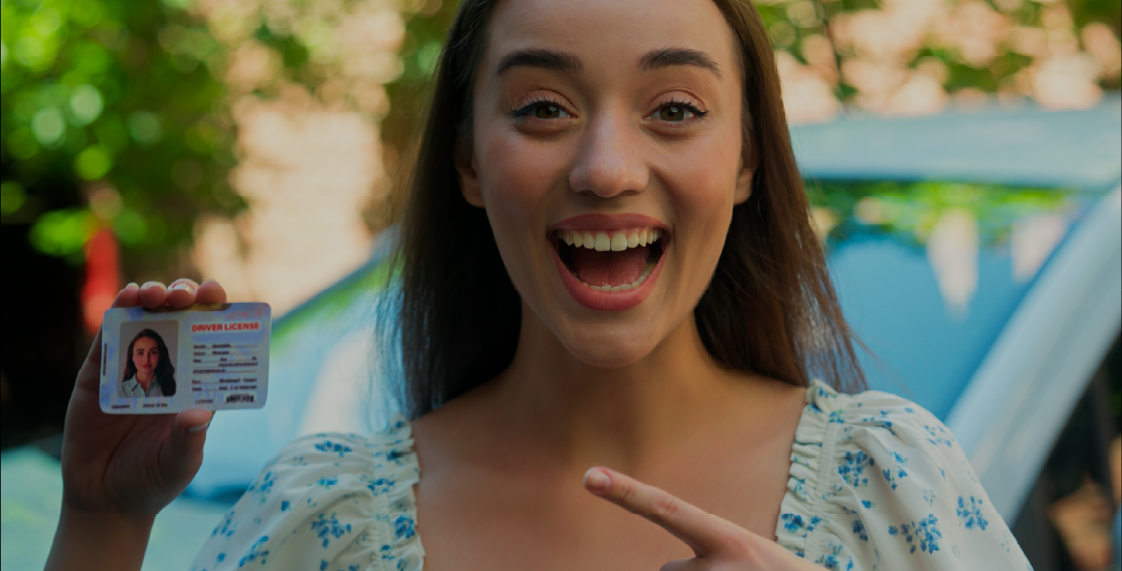
Germany Health Insurance – A Legal Requirement
Health insurance is mandatory in Germany, and applicants must show sufficient cover for the period until statutory health insurance begins with employment. Valid cover is checked before your visa is issued and helps you meet the conditions of the residence process.
Read Guide
Last Updated: July 10, 2026
This content is reviewed and updated periodically to maintain accuracy and relevance.
