
TIRANA DRIVING LICENCE
Tirana Driving Licence – Know the Rules
Drive legally in Tirana, Albania, with the correct driving licence and valid documents. Understanding licence validity, exchange rules, driver categories, medical checks, and compliance requirements is important for private and professional drivers, as well as foreign licence holders.
Learn about driving licence rules in Tirana, licence exchange procedures, validity periods, required documents, renewal process, professional driver requirements, and city-specific guidance before driving in Albania.
- Licence Validity in Tirana
- Driving Licence Exchange Rules
- Required Documents & Renewal
- Professional Driver Compliance

Driving Licence in Tiranë: How to Exchange Yours and Drive Legally
If you’re settling in Tiranë, sorting your driving licence is one of those tasks that’s easy to postpone and costly to get wrong. Albania gives new residents a limited window to exchange a foreign licence, and the capital is where the process is easiest to complete — the licensing authority is headquartered here, with the country’s main service centres. This page covers what that means locally; for the full national rules, see the Albania driving licence guide.
The short version: once you hold an Albanian residence permit, you generally have one year to exchange your foreign licence for an Albanian one through the DPSHTRR (the General Directorate of Road Transport Services). Whether you can swap without tests depends on your issuing country, and professional categories (C, CE, D) carry extra requirements. Driving with an expired window is treated as driving without a licence.
Why Tiranë is the easiest place to do it
The DPSHTRR is headquartered in Tiranë, and the capital hosts its busiest service centres, its main testing facilities, and its largest pool of certified translators for your documents. If your licence needs verification by your home country’s authorities — a common step — the process is handled through the offices here. In practice, that means the capital offers the shortest appointment queues during peak periods, the most experienced staff with foreign applicants, and everything within one city.
The one-year rule
The clock that matters starts with your residence permit: once you become a legal resident, you generally have 1 year to exchange your foreign licence. During that window, you can usually drive on your valid foreign licence (with an international driving permit or an officially certified translation, if required). After it closes, your foreign licence is no longer valid for driving in Albania — and driving anyway is treated as unlicensed driving, with fines and consequences for your record. Don’t wait: verification of foreign documents can take time, so start the exchange in your first months, not your last.
How the exchange works at the DPSHTRR
- Gather your documents — passport, residence permit, your valid foreign licence, a certified Albanian translation of it, biometric photos, and a medical certificate issued within the last six months by an authorised clinic.
- Book and attend your appointment at a DPSHTRR service centre in Tiranë, where your foreign licence is checked and, if needed, sent for verification with the issuing authority.
- Pay the fees through official channels and keep the receipts.
- Wait for processing — typically around 5 to 15 business days for a straightforward exchange once verification is complete.
- Collect your Albanian licence in person; your foreign licence is usually retained as part of the exchange.
Whether you exchange without tests depends on the agreement between Albania and your issuing country. Where direct exchange isn’t available, you’ll need to pass the Albanian theory and practical tests — and for professional categories, tests are commonly required regardless.
Professional categories: C, CE and D
For truck, bus and coach drivers, the licence is only part of the picture. Professional categories carry stricter medical requirements and, for commercial work, a professional competence certificate on top of the licence — Albania’s equivalent of the EU’s Code 95 system. If you plan to drive internationally into EU countries for an Albanian employer, expect additional compliance (tachograph rules and driver documentation on EU routes). Confirm the current professional requirements directly with the DPSHTRR before accepting a start date, and note that a non-EU professional qualification usually can’t be transferred outright.
Medical certificate
Every exchange and professional application needs a medical fitness certificate from an authorised clinic, issued within the last six months. Professional categories involve a fuller examination — vision, hearing and general fitness — with periodic renewals. Tiranë has the widest choice of authorised clinics, and many complete the certificate the same day.
For professional drivers in Tiranë
Tiranë has the most driving jobs in Albania, and a valid Albanian licence in the correct category makes you employable from day one. Employers can’t legally assign you a vehicle without it, so treat the exchange as step one of your relocation — alongside your permit and bank account.
- Browse driver vacancies in Tiranë.
- Register a driver profile.
- For employers — recruitment and compliance support
Related guides
- Albania driving licence — full guide
- Residence permit in Tiranë
- Work permit in Tiranë
- Work visa in Tiranë
Official sources
- DPSHTRR — General Directorate of Road Transport Services — licences, exchange and testing.
- Ministry of Interior — residence status.
Information only — not legal advice. Exchange agreements, fees and requirements change, and your case depends on your issuing country and category. Always confirm current rules with the DPSHTRR before you apply or pay anyone.
Driving Licence in Tiranë – Frequently Asked Questions
Common questions about exchanging a foreign driving licence in Tiranë — the one-year rule for becoming a resident, the DPSHTRR process, the documents and medical certificate, which countries can swap without tests, the professional categories C, CE and D, Code 95 and the tachograph driver card for commercial drivers. The DPSHTRR is headquartered in the capital, which makes Tiranë the easiest place in Albania to complete the exchange — but start early, since verifying foreign documents takes time, and driving past the deadline is treated as unlicensed driving. Exchange agreements, fees and requirements can change, so always confirm current rules with the DPSHTRR before you apply or pay anyone.- How do I exchange my foreign driving licence in Tiranë?
- How long do I have to exchange my licence?
- Can I drive on my foreign licence before exchanging it?
- What happens if I miss the one-year deadline?
- Do I need to take a test to exchange?
- Which licences can be exchanged without tests?
- What documents do I need?
- Where do I apply in Tiranë?
- How long does the exchange take?
- How much does it cost?
- Will I keep my foreign licence?
- Do I need a medical certificate?
- What licence do truck drivers need?
- Can I exchange a professional category (C, CE, D) directly?
- Do I need a professional competence certificate too?
- Does my Albanian licence work in the EU?
- Do EU licences work in Albania?
- Can I take the driving tests in English?
- How do I get a first Albanian licence (no exchange)?
- What about the tachograph driver card?
- Is an International Driving Permit enough for the long term?
- What if my licence is lost or expired?
- Does the licence affect my job in Tiranë?
- Do driving offences affect my residence?
- Where do I check the official rules?
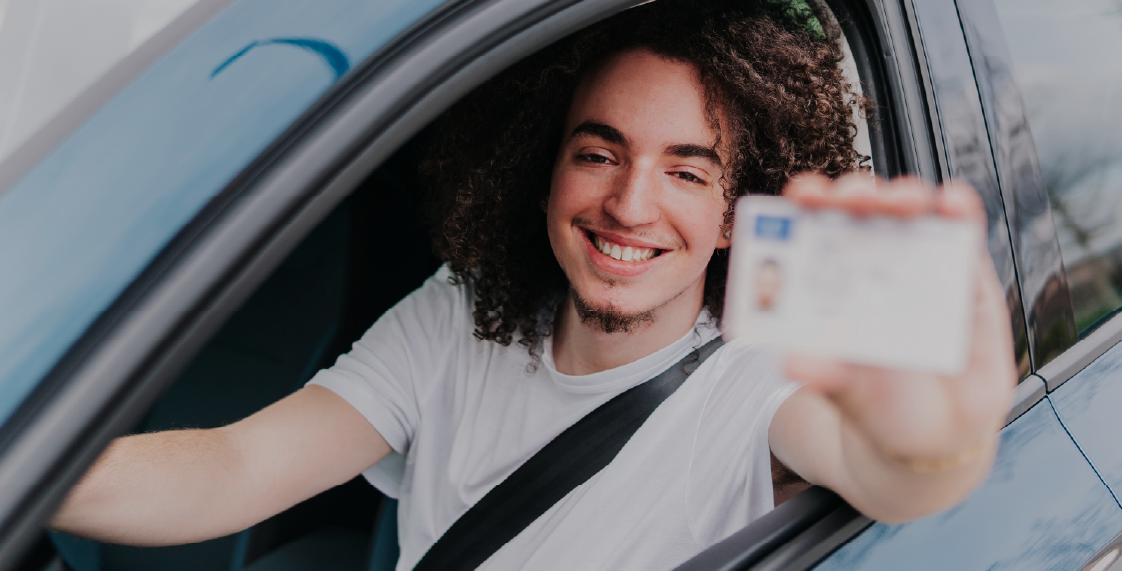
Tirana Driving Licence – Know the Rules
Understand driving licence validity, exchange procedures, required documents, renewal steps, and compliance requirements for driving legally in Tirana, Albania.
Read Guide
Last Updated: July 4, 2026
This content is reviewed and updated periodically to maintain accuracy and relevance.
