
TIRANË BANK ACCOUNT
Tiranë Bank Account – A Legal Necessity
Open and use a bank account in Tiranë, Albania, for salary payments, rent, taxes, business activity, and daily financial transactions. A local bank account can be important for foreign workers, students, freelancers, employers, and long-term residents living in Tiranë.
Learn about Tiranë bank account requirements, accepted documents, proof of address, residence status, salary payments, online banking, and city-specific banking guidance before opening an account.
- Salary & Tax Payment Support
- Documents & Address Proof
- Banking for Workers & Students
- Tiranë Bank Account Guidance

Opening a Bank Account in Tiranë: A Guide for Foreigners
A bank account is one of the first practical steps after arriving in Tiranë. Your salary, taxes, social security, rent and bills all run through it, and legal employment is hard to complete without one. As the capital, Tiranë is also the easiest place in Albania to get one — every bank has its head office here, and branches and ATMs are everywhere. This page covers what that means locally; for the full details, see the Albania bank account guide.
The short version: foreigners can open an account in Tiranë, usually with a passport; most banks require a residence permit. and a local address. Accounts come in lek or foreign currencies, use IBAN, and — since Albania joined SEPA — euro transfers to and from Europe are now quick and cheap. If you’re a driver, open your account early: browse vacancies or register a driver profile to get started.
Why Tiranë is the easiest place to open an account
Every Albanian bank is headquartered in Tiranë, and the city has by far the densest network of branches and ATMs in the country — including the flagship branches where staff are most used to dealing with foreign customers. That means more choice, shorter trips, and usually the smoothest onboarding. The Bank of Albania supervises the sector and includes around a dozen licensed commercial banks, among them well-known names such as BKT, Raiffeisen, Credins, and Intesa Sanpaolo Bank Albania — all with a strong presence in the capital.
Can foreigners open an account in Tiranë?
Yes — there’s no nationality barrier. You’ll generally need to be at least 18 and present a valid passport. Whether you need residency depends on the bank: many open a full resident account with a residence permit and proof of a local address, while some open non-resident accounts (often for property buyers or investors) with extra verification. It varies from bank to bank, and in Tiranë you have the most options to compare, so it’s worth asking a couple of banks before you choose.
The lek, multi-currency accounts and SEPA
Albania’s currency is the lek (ALL), and salaries and everyday spending are paid and incurred in lek. Most banks in Tiranë also offer euro, US dollar, or multi-currency accounts, which are useful if you receive money from abroad. And here’s the big recent change: Albania has joined SEPA. Hence, a euro payment between Albania and the EU now works almost like a domestic one — a transfer that once cost €10–40 in fees now costs only a couple of euros. Instant euro transfers are increasingly available, too.
Documents you’ll need
Requirements vary by bank, but you’ll typically need a valid passport, your residence permit (for a resident account), and often proof of a local address, such as a rental contract or utility bill. US citizens should expect FATCA paperwork. Banks follow strict Know Your Customer and anti-money-laundering rules, so make sure everything is genuine and consistent. Your employer usually handles your tax and social security registration separately as part of onboarding.
Cards, fees and deposit protection
A debit card is usually issued around 20 days after the account is opened, and cards are widely accepted across Tiranë. ATMs commonly charge a withdrawal fee plus conversion for foreign cards, so a local account and card cut your day-to-day costs. Deposits are protected by the Albanian Deposit Insurance Agency (ASD) up to a legal limit per depositor per bank — set in lek, so check the current amount — and the Bank of Albania supervises banks.
For professional drivers in Tiranë
Tiranë has the most driving jobs in Albania. Open your account early — your salary, tax and residence all depend on it, and with SEPA you can move euros to and from home cheaply.
- Browse driver vacancies in Tiranë.
- Register a driver profile.
- For employers — recruitment and compliance support
Related guides
- Albania bank account — full guide
- Income tax in Tiranë
- Residence permit in Tiranë
- Work permit in Tiranë
Official sources
- Bank of Albania — banking supervision and payment systems.
- Albanian Deposit Insurance Agency (ASD) — deposit protection.
Information only — not financial or legal advice. Requirements, fees and coverage limits differ by bank and can change. Always confirm directly with the bank what documents you need before you apply.
Can foreigners open a bank account in Tiranë?
Yes. You generally need to be 18 and present a valid passport. Many banks also require a residence permit and a local address, though some open accounts for non-residents with additional checks.
Where is the easiest place to open an account in Albania?
Tiranë. Every bank is headquartered here, with the most branches and ATMs, and flagship branches are the most used by foreign customers — so it’s the smoothest place to open an account.
Do I need a residence permit?
For a full resident account, usually yes. Some Tiranë banks open non-resident accounts with stricter verification requirements, but a residence permit and a local address make it the simplest.
What currency are accounts in?
The lek (ALL) for everyday banking, with euro, US dollar or multi-currency accounts widely available in Tiranë for money from abroad.
Is Albania in SEPA?
Yes. Euro transfers to and from the EU are now fast and low-cost, almost like domestic payments, with instant euro transfers increasingly available.
How long until I get my card?
A debit card is typically issued around 20 days after the account is opened.
Are my deposits protected?
Yes, by the Albanian Deposit Insurance Agency (ASD) up to a legal limit per depositor per bank — set in lek, so check the current amount.
What’s the most common mistake?
Waiting too long to open an account delays salary, tax registration and residence steps. Open one as early as you can.
Opening a Bank Account in Tiranë – Frequently Asked Questions
Common questions about opening and using a bank account in Tiranë as a foreign worker — who can open one, whether you need a residence permit, the documents required, the lek and multi-currency accounts, and Albania’s SEPA membership, which makes euro transfers to and from Europe fast and cheap. As the capital, Tiranë is the easiest place in Albania to open an account, with every bank’s head office and the densest branch network. Open your account early, since your salary, tax and residence steps all depend on it. Requirements, fees, and deposit protection limits differ by bank and can change, so always confirm directly with the bank before you apply.- Can foreigners open a bank account in Tiranë?
- Do I need a residence permit?
- What currency are accounts in?
- Is Albania in SEPA?
- Does Albania use IBAN?
- What documents do I need?
- Can I open an account before I arrive?
- How long until I get my card?
- Are there ATM fees?
- Is a tax number required?
- Are my deposits protected?
- Can my account be frozen?
- What happens if my residence permit expires?
- Which banks operate in Tiranë?
- What’s the most common mistake?
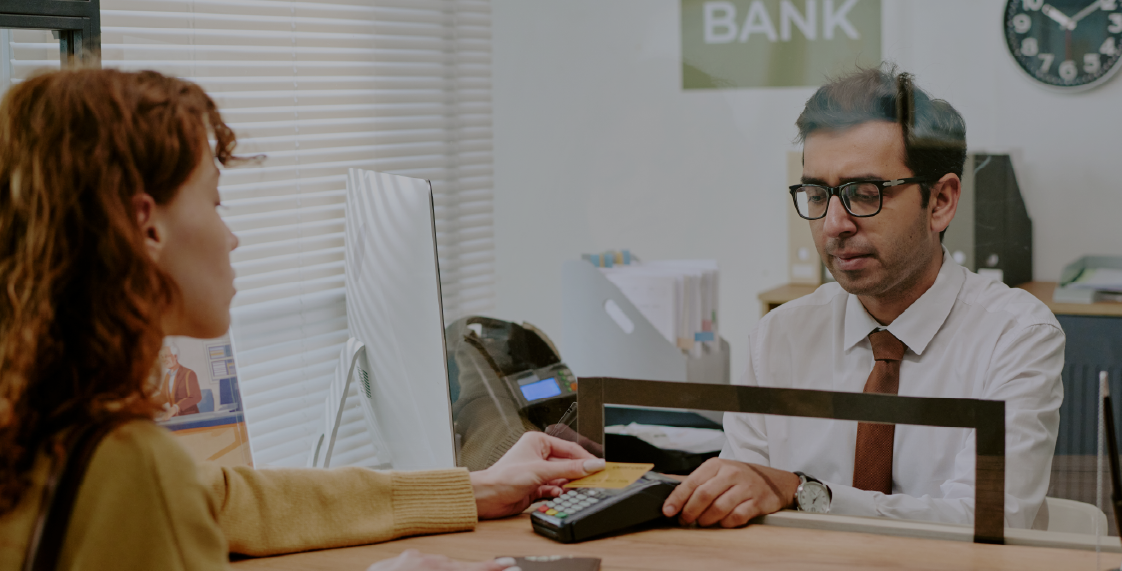
Tirana Bank Account – A Legal Necessity
Essential for salary payments, rent, tax use, business activity, and managing daily financial transactions while living or working legally in Tirana, Albania.
Read Guide
Last Updated: July 3, 2026
This content is reviewed and updated periodically to maintain accuracy and relevance.
