Truck and Heavy Goods Drivers
Post vacancies for LKW Fahrer, chauffeur poids lourds and autista di camion roles covering national distribution, construction supply and cross-border runs into Germany, France, Italy and Austria.

For Swiss Employers
Publish your driver vacancies on FastDriver.eu and reach candidates across the cantons, in the EU and EFTA and in the cross-border commuter belt. Switzerland is outside the EU and the EEA, and admission from third states is narrow, so the section below sets out where your realistic candidate pool actually is.
Direct employer hiring • EU, EFTA and cross-border reach • Permit guidance for a quota limited system
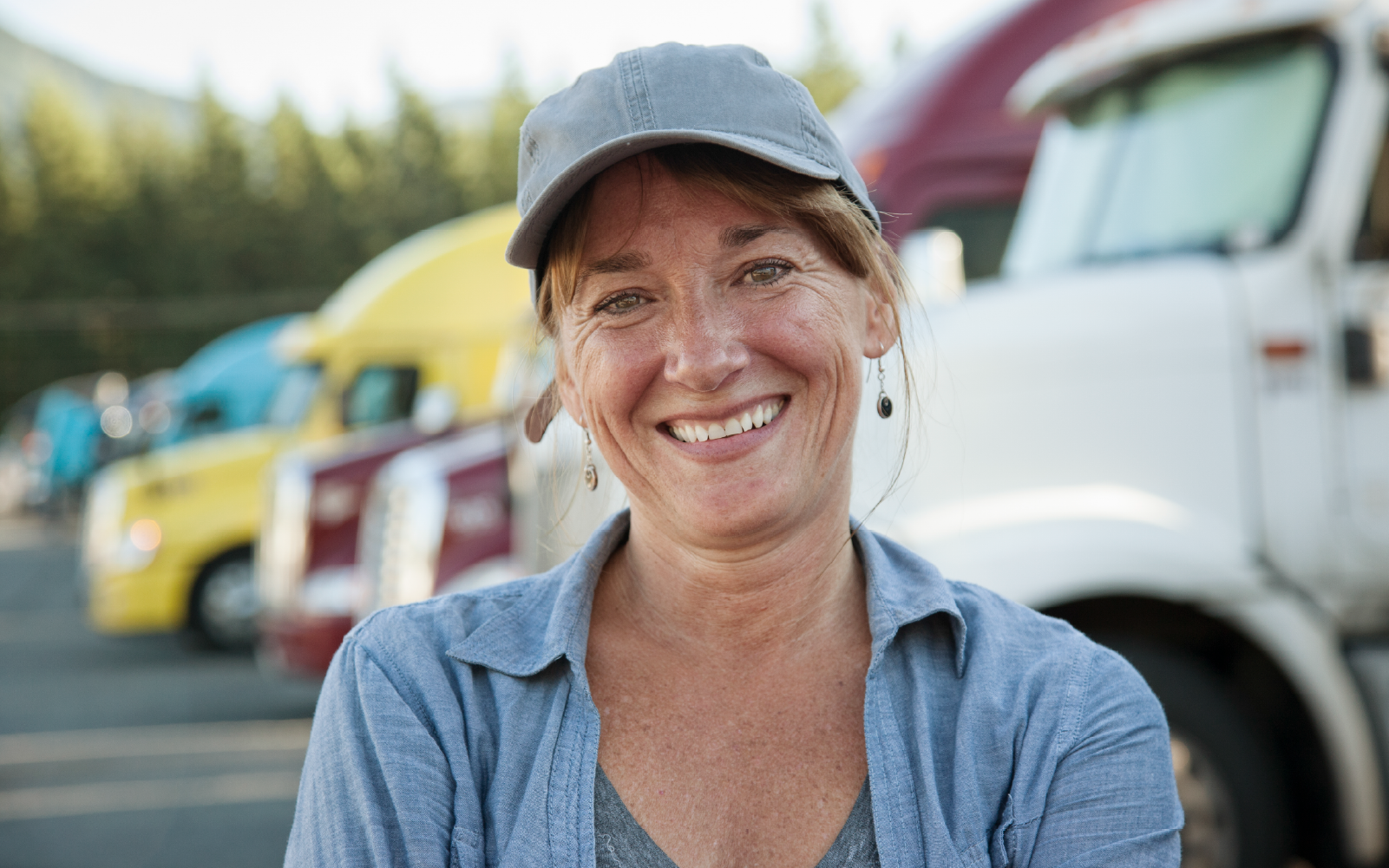
FastDriver.eu connects Swiss hauliers, forwarding companies, distribution operators, bus and coach companies and delivery businesses with drivers looking for work.
Publish a genuine vacancy, state the licence category, describe the routes and the shift pattern, and receive applications directly. Naming the canton and the nearest towns across the border does a great deal of work here, because a large share of suitable candidates live in neighbouring countries. Browse current Swiss listings at www.fastdriver.eu/jobs/switzerland.
FastDriver.eu is a specialised driver job portal. It is not a recruitment agency or a Personalverleih operation, it does not employ drivers and it does not lease workers.
Your company reviews the applications, interviews the candidates, inspects the original licence and professional driver certificate, and signs the employment contract. Your company is also the applicant for any permit, so the compliance burden sits with you.
Swiss employers recruit across national distribution, Alpine transit haulage, construction supply and passenger transport. State the licence category, the canton and the working language, since the country works in several.
Post vacancies for LKW Fahrer, chauffeur poids lourds and autista di camion roles covering national distribution, construction supply and cross-border runs into Germany, France, Italy and Austria.
Advertise Auslieferungsfahrer, chauffeur-livreur and courier positions in parcel networks, food distribution and urban logistics across the larger agglomerations.
Publish roles for Buschauffeur and conducteur de bus on regional networks, postal bus services, school transport and the coach work serving Alpine and city tourism.
Advertise for tipper, mixer and crane equipped vehicle drivers serving the construction sector, work that is heavily seasonal in the mountain cantons.
Reach ADR and Gefahrgut qualified drivers, tanker drivers and heavy and abnormal load drivers for fuel distribution, chemicals and project transport.
Use a job title only where it genuinely matches the role. Unrelated titles added for traffic produce applications you will only reject.
Switzerland is a confederation of twenty six cantons, and much of the permit process is handled at cantonal level. Naming the canton matters administratively as well as geographically.
The Gotthard and San Bernardino routes carry north to south traffic through the Alps, with tunnel restrictions and winter conditions shaping schedules.
Large numbers of people working in Switzerland live across the border in France, Germany, Italy or Austria and hold a cross-border commuter permit.
Pharmaceuticals around Basel, precision manufacturing in the Jura arc and food production across the plateau generate scheduled and temperature controlled transport.
German, French and Italian speaking regions each have their own candidate pools, and a vacancy written in the wrong language reaches the wrong part of the country.
The canton determines both the transport profile and the authority that will handle any permit application, so name it in the vacancy.
Switzerland has several language regions, and candidates search in the language of the region rather than in a single national vocabulary.
In the German speaking cantons the terms are LKW Fahrer, Chauffeur and Fahrer Kategorie C or CE. Chauffeur is used far more broadly here than in Germany.
In the French speaking cantons candidates search for chauffeur poids lourds and conducteur, and in Ticino for autista and conducente.
Grenzganger and frontalier appear constantly in adverts and profiles, because the commuting arrangement is central to how this labour market works.
Delivery work uses Auslieferungsfahrer and chauffeur-livreur, and passenger roles Buschauffeur and conducteur de bus.
Publish in the language of the canton where the depot sits, and name the nearest towns across the border. That single addition reaches far more suitable candidates than any keyword will.
FastDriver.eu operates as a European driver job portal and allows candidates in other parts of the world to discover and apply for suitable Swiss vacancies.
Swiss employers may receive applications from drivers based in Switzerland and the cross-border region, EU and EFTA states, the wider European region and, subject to strict conditions, other international markets.
Switzerland is outside the EU and the EEA. EU and EFTA nationals may work here under the free movement agreement, whether resident or commuting daily, and for most driver vacancies this is the realistic recruitment pool.
Admission from third states is narrow by design. Only managers, specialists and other qualified workers may be admitted, annual quotas of B and L permits are set by the Federal Council and distributed among the cantons, and approval runs in two stages, first the cantonal labour market authority and then the State Secretariat for Migration.
Precedence also applies. Swiss nationals, holders of settlement and residence permits and EU and EFTA nationals come first, and your company must be able to show that despite genuine and documented searches in Switzerland and the EU and EFTA area no suitable candidate could be found. For an ordinary driving position that is a high bar, so plan on the European pool. Drivers can check their own position through our driving licence eligibility guidance.
FastDriver.eu can provide process guidance and document coordination when a candidate needs support. It does not make government decisions and cannot promise an approval, and in this system the limits are unusually tight.
State the licence category in the advert, and be precise about the route conditions.
Freight roles use C and CE, with C1 and C1E for lighter rigid vehicles. Passenger transport uses D and D1. Delivery work sits in category B.
Switzerland is not part of the European Union, so the EU driver qualification instrument does not apply here as such. Professional drivers need the Swiss professional driver certificate issued under Swiss road transport law, and Swiss and EU qualification documents are recognised alongside one another.
Ask incoming candidates specifically which certificate they hold and whether it is valid for professional driving in Switzerland, rather than assuming an EU card transfers automatically. Establish the licence exchange position before the start date as well.
A tachograph driver card is required for in scope work and ADR training for dangerous goods. Because routes cross into the Union constantly, check that documents and vehicle authorisations cover both sides of the customs frontier.
Experience requirements are set by operators. Alpine work looks for mountain and winter route confidence, construction supply for site handling. FastDriver.eu can present candidate information, but verifying original documents remains the employer's responsibility.
Publish driver vacancies in German, French or Italian with the licence category, canton and commute set out clearly.
Extend reach across the EU and EFTA area and the cross-border commuter belt, which is where most recruitable candidates are.
Applications reach your team directly, with no agency between you and the driver.
Support in reaching drivers who match your licence and route requirements, without any promise of a specific candidate.
Guidance on the cantonal and federal approval stages, the precedence rule and the quota position where a third state candidate is involved.
Coordination of registration and arrival steps, including the commune registration required before work begins.
Employer options are scaled to the size of your requirement and are agreed separately with your company.
The most valuable lines in a Swiss advert are the canton, the language and the commute from across the border.
Give the company name and the canton, name the depot town, and add the nearest towns in France, Germany, Italy or Austria where commuting is realistic.
State the vehicle type and licence category, the professional driver certificate required, and whether ADR or crane certification applies.
Say how many drivers you need, what experience you expect and whether Alpine or winter routes are involved.
Describe the schedule honestly, including early starts and seasonal variation, and set out pay and benefits.
Confirm the start date, and be realistic about whether the role could support a third state application given the qualified worker requirement.
Your company sets and honours the final employment terms.
Tell us the role, the canton, the licence category and how many drivers you need.
The vacancy goes live in the language of the region and is promoted across the EU, EFTA and cross-border catchment.
Applications arrive directly for your team to assess.
You interview, inspect the original licence and professional driver certificate, and confirm the candidate's permit position.
Your company issues the employment contract under Swiss law.
For an EU or EFTA hire, registration with the commune follows. For a third state candidate, your company applies to the cantonal authority and the file goes on to the federal level. Support can be agreed separately.
Work through these before publishing. The qualified worker requirement decides more than anything else whether a third state hire is possible at all.
The Swiss employer is responsible for the following.
Employing a foreign national without the required permit is a criminal offence in Switzerland, not merely an administrative breach. Except where the person already holds an entry permit with a job or an assurance of a residence permit, work may not begin until the permit has actually been issued.
FastDriver.eu does not issue any government approval.
FastDriver.eu cannot guarantee applications, candidate availability, candidate suitability, interview attendance, hiring outcomes, licence recognition, quota availability, cantonal or federal approvals, visas, processing times or continued employment.
Misleading vacancy content may be removed from the platform.
This page is general information for employers and is not legal advice.
A specialised driver job portal used across Europe. Swiss employers publish driver vacancies and receive applications directly from candidates.
No. It is a job portal, not a staffing or recruitment agency, and it does not lease workers. Your company employs the driver directly.
Legally operating transport and logistics companies, hauliers, forwarders, fleet operators, bus and coach operators and delivery businesses.
The language of the canton where the depot sits. German-, French-, and Italian-speaking regions have separate candidate pools, and an advert in the wrong language reaches the wrong part of the country.
No, and it is not in the EEA either. EU and EFTA nationals may work here under the free movement agreement, but everyone else is treated as a third-state national under a separate and much narrower system.
It is difficult. Only managers, specialists and other qualified workers may be admitted from third states, so for a standard driving position the EU and EFTA pool is normally the realistic route.
Swiss nationals, holders of settlement and residence permits, certain protected categories and EU and EFTA nationals take priority. You must show that, despite genuine efforts, no suitable candidate from those groups could be found.
The Federal Council sets annual quotas for B and L permits for third-state nationals, and these are distributed to the cantons, which manage their own allocations. If a ccanton’sallocation is exhausted, applications usually wait for the next release.
Your company does, to the cantonal labour market and migration authorities. Where the file concerns a third-state national, it then goes to the federal level for approval as well.
Because a very large number of people working in Switzerland live across the border and hold a commuter permit, for driver roles near the frontier, that is often the most practical way to fill a vacancy.
Switzerland has its own professional driver certificate under Swiss law, and Swiss and EU qualification documents are recognised as equivalent. Ask the candidate which one they hold and confirm it covers professional driving in Switzerland.
Generally no. Except where the person already holds an entry permit with a job or an assurance of a residence permit, work may only begin once the permit has been issued. Employing without one is a criminal offence.
Your company does. The platform may collect candidate information and assist with document coordination, but inspecting the originals is the employer’s responsibility.
An EU or EFTA candidate can usually start quickly after registration. A third-state application depends on the qualified worker assessment, the cantonal quota, and two levels of approval so that no timeline can be promised.
Options depend on the number of vacancies, the promotion level and the support you need. Terms are agreed with your company in advance.
Submit the employer enquiry with your company details and driver requirements, or post the vacancy directly. Your team then reviews the applications and selects the driver.
Submit a driver requirement or publish a vacancy, and reach qualified candidates across the cantons, the EU and EFTA area and the cross-border region.
Swiss employers recruit, select and employ their chosen drivers directly.
